Interviews
Everything to Know About Wedding Photography Styles
While choosing a planner, venue, fashion, or décor are key decisions that determine how you'll experience your wedding day, it's important to understand that...
While choosing a planner, venue, fashion, or décor are key decisions that determine how you'll experience your wedding day, it's important to understand that wedding photography styles can make a major impact on how you look back on your nuptials for years to come. Even if you might think anyone with a camera can capture your wedding photos, shooting a wedding is an art that takes plenty of skill, stamina, creativity, and experience. You should invest in a photographer who is not only talented but has a wedding photography style that reflects the aesthetic you want to capture throughout this milestone event.
"The role of the photographer — whether more photojournalistic or more fine art — is to go into a wedding with a sensibility and vision, but being open to the wonderfully unexpected moments," explains wedding photographer Corbin Gurkin. "Find a photographer whose work you feel so deeply connected to that you cannot imagine any other person interpreting your day. You are hiring this person for his or her eye, and that should really guide the decision."
Photographer Adriana Rivera adds that it's important to connect with a photographer before choosing to hire them. "Couples also need to think how the person they trust to capture their wedding will greatly influence their overall wedding experience, contributing their energy to every moment. Rather than simply choosing your photographer solely on talent, look for chemistry, connection, and an understanding that the process is just as important as the outcome."
Here's a breakdown of the seven major wedding photography styles to help you get a clearer picture of how your wedding photography could look.
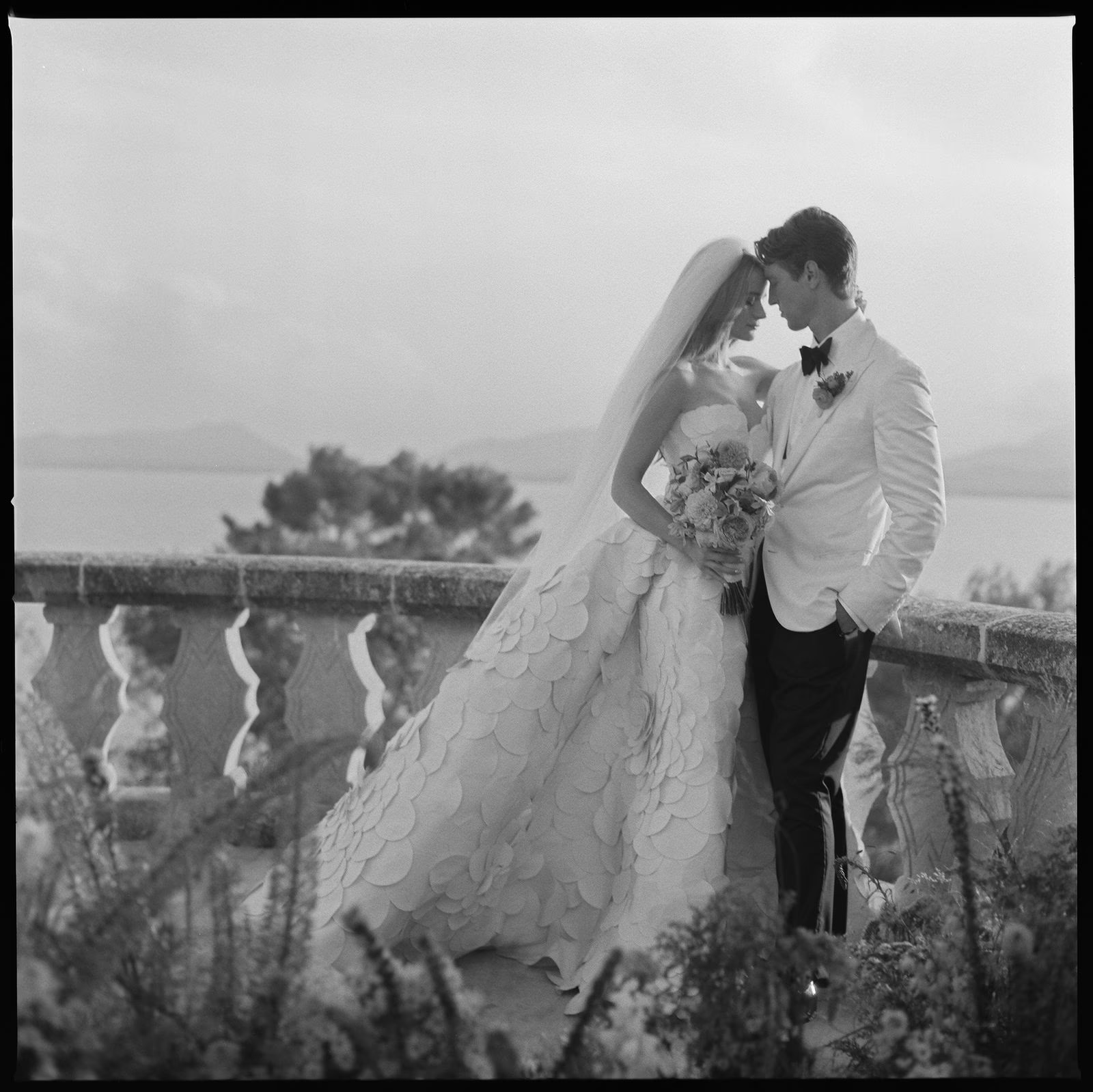
1. Traditional Photography
The wedding style you may be most familiar with is a traditional look focused on staged portraits with the couple and family, capturing key snaps from the ceremony and reception, and curating a clear picture of the day. "Those with a checklist of key shots to be captured may opt for this style and can expect a more structured and posed photo session, ensuring all crucial moments are captured meticulously," says Lisa Raffo Ashley of The Wedding Artist Co. "Traditional photography offers a classic and timeless approach to wedding photographs."
This style works best for couples who want comprehensive coverage of every important moment — the first look, the kiss, the cake cutting, the first dance — without worrying that anything will be missed. The photographer takes charge of directing group portraits, ensuring everyone is positioned correctly and looking their best. The result is a polished, complete record of your day that will stand the test of time.
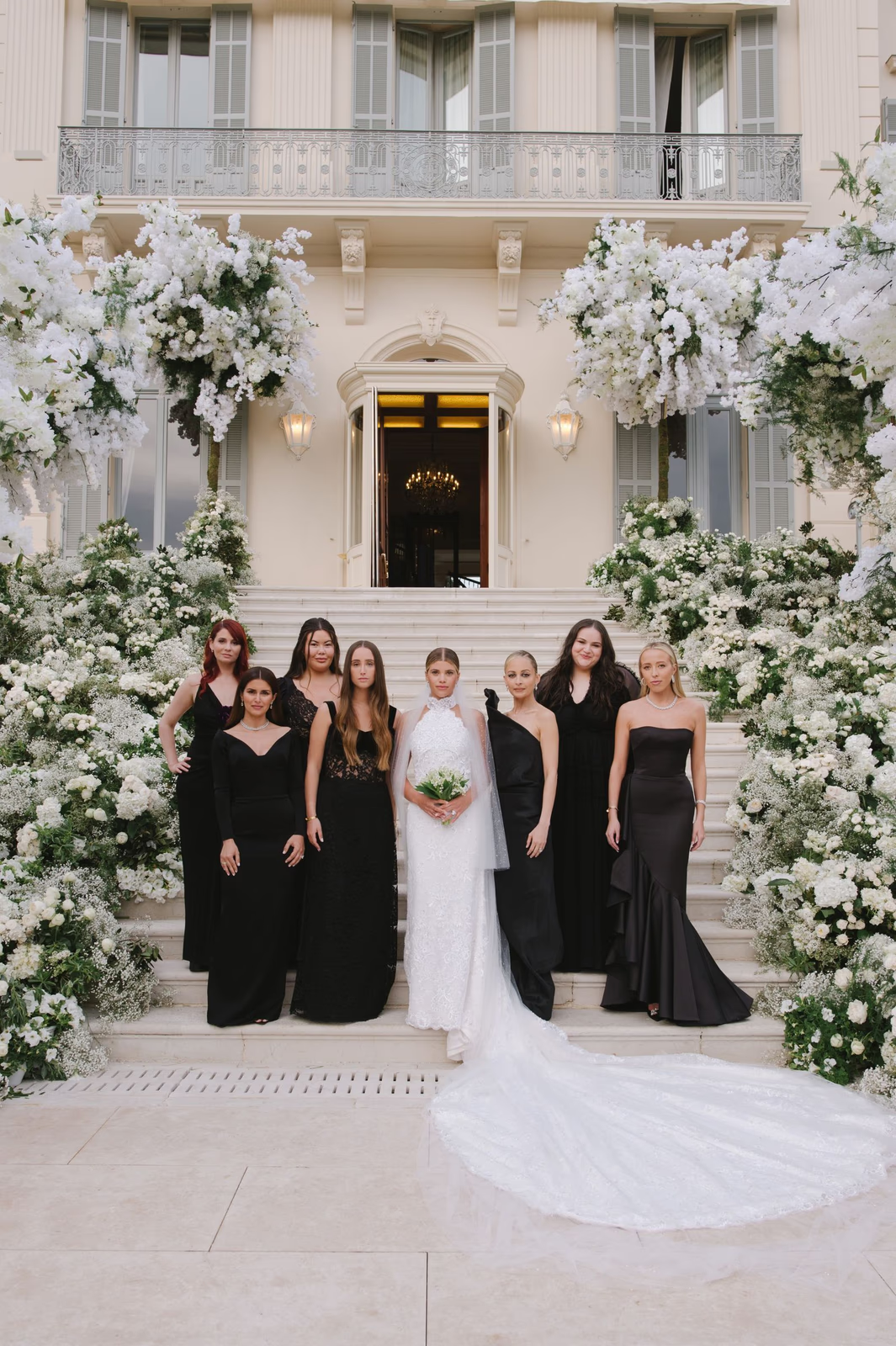
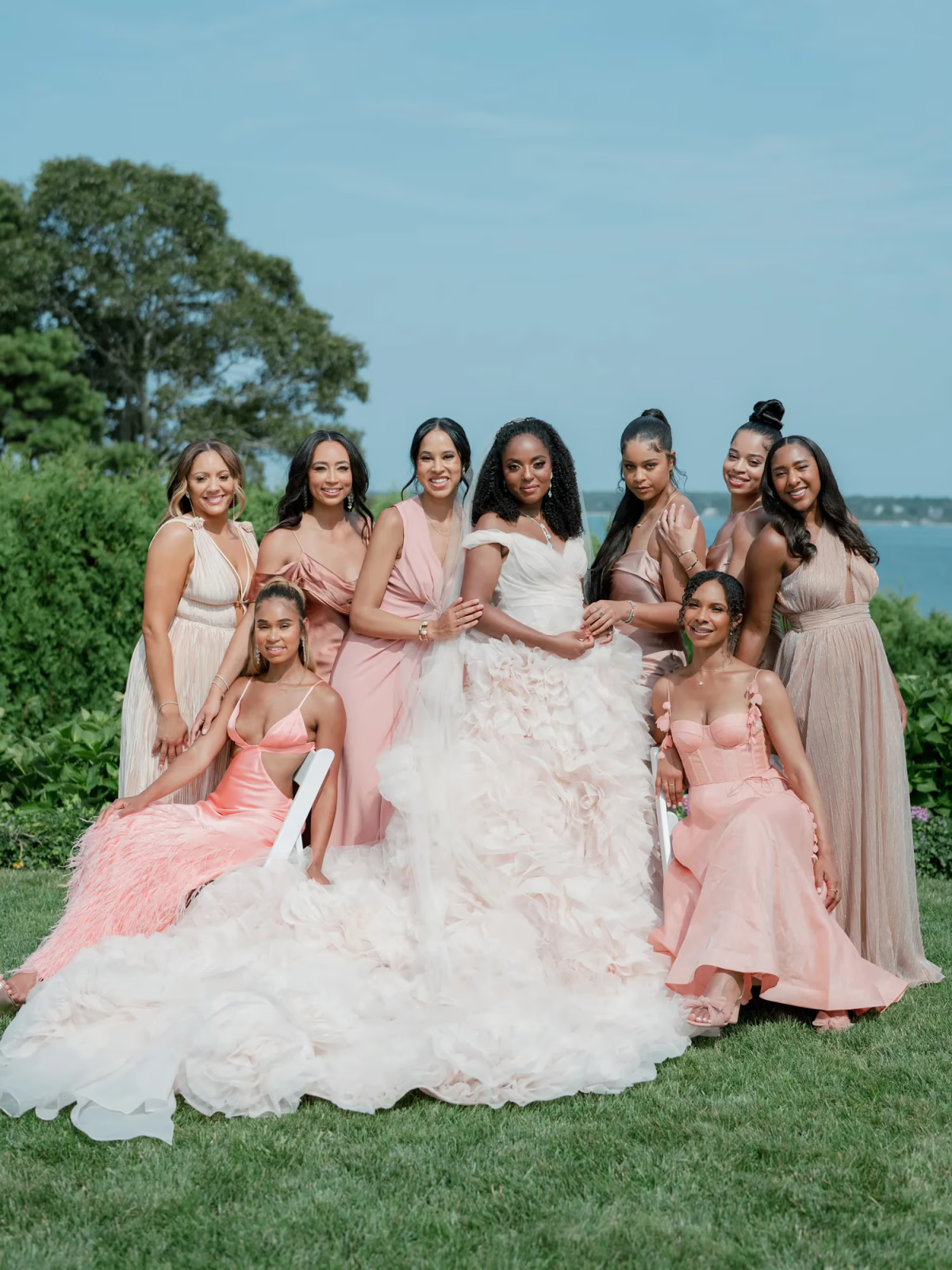
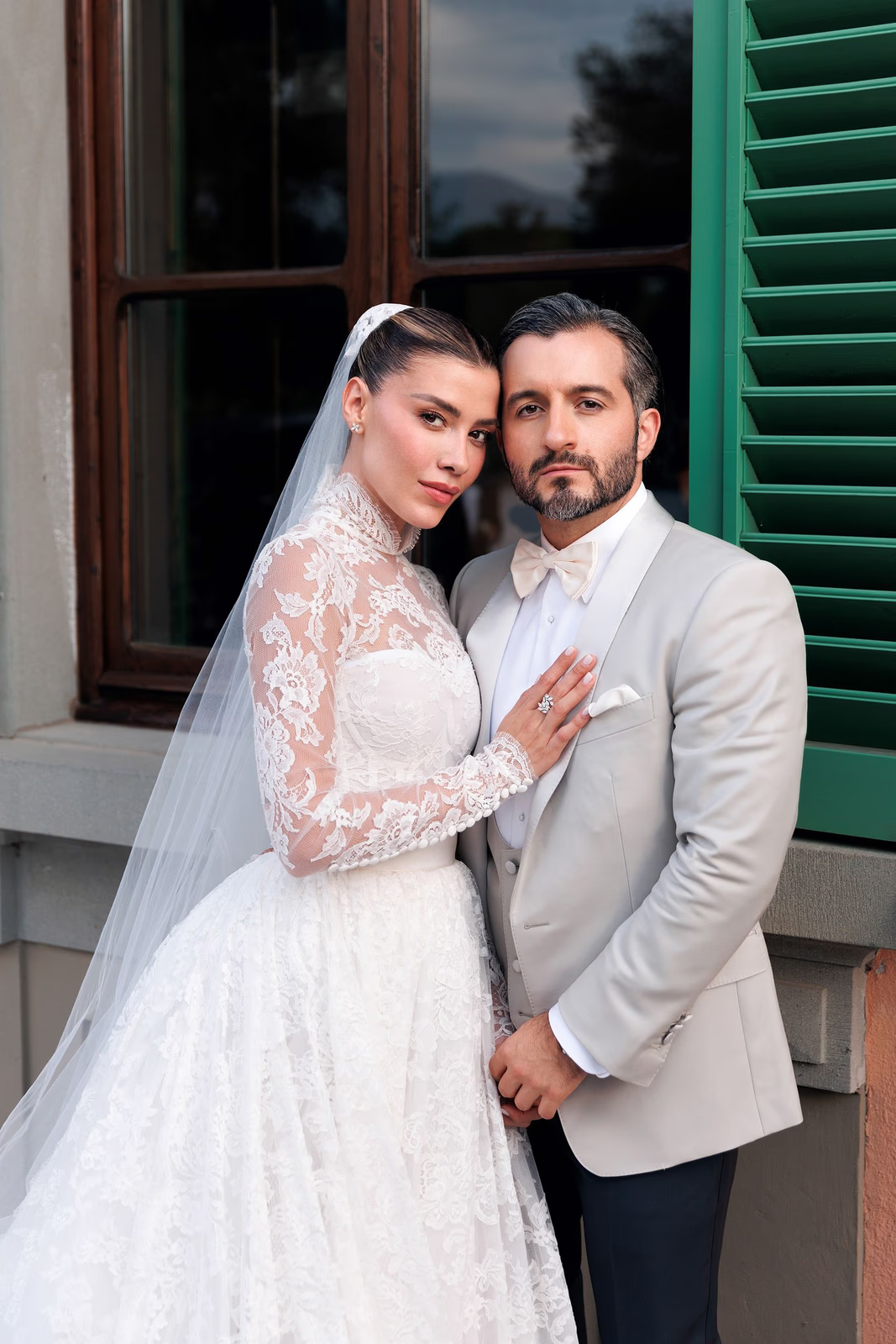
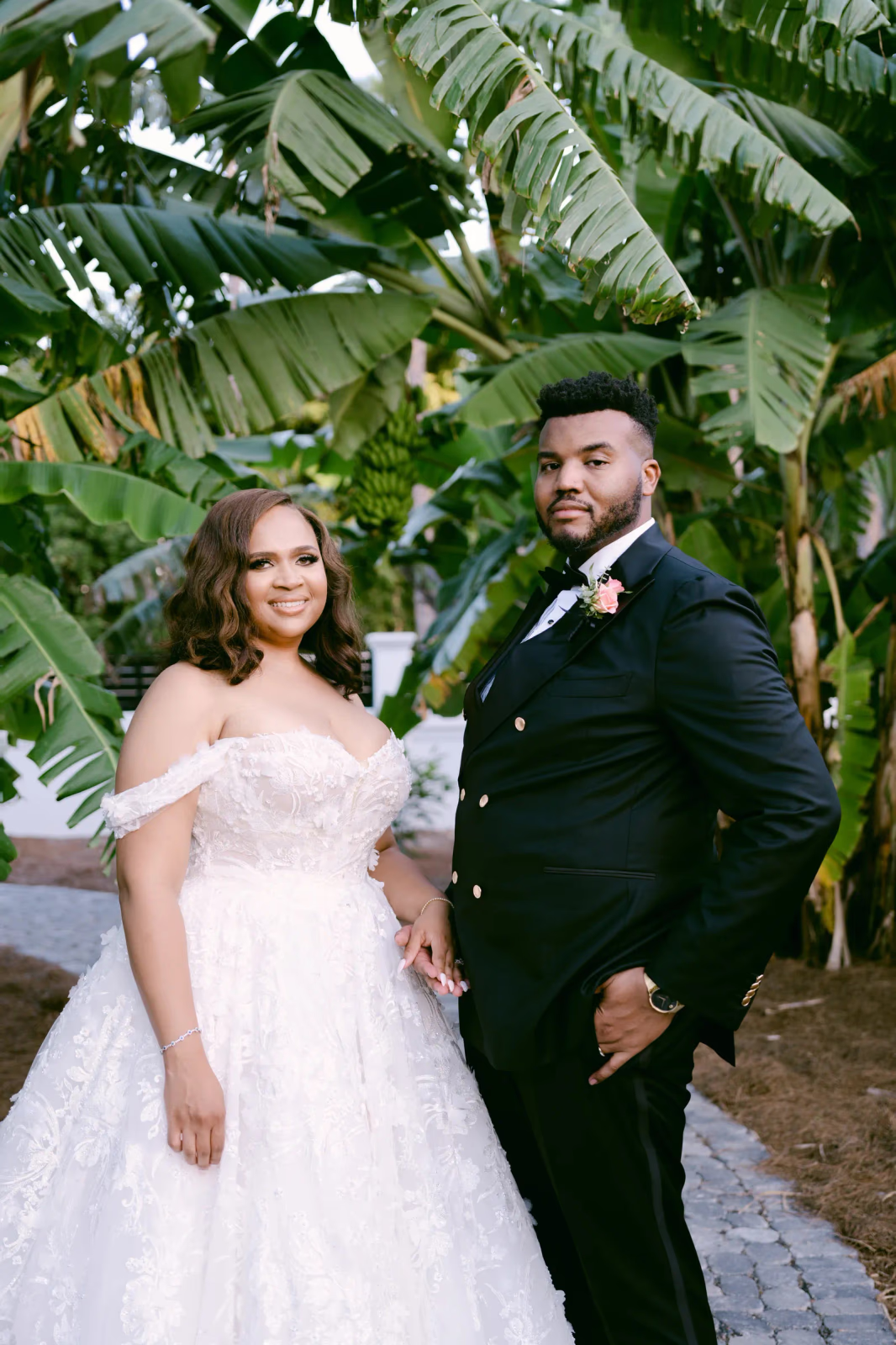
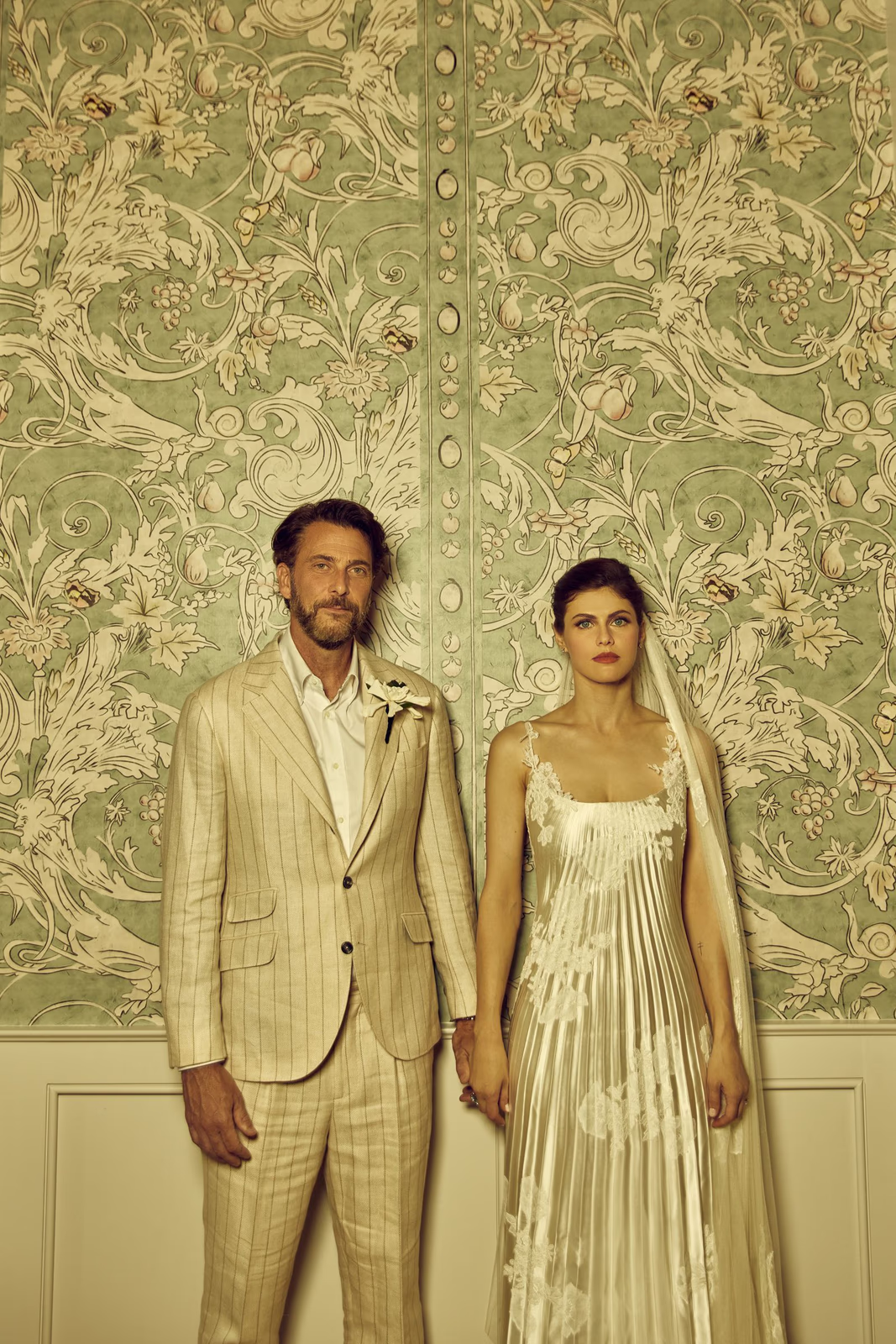
2. Editorial Photography
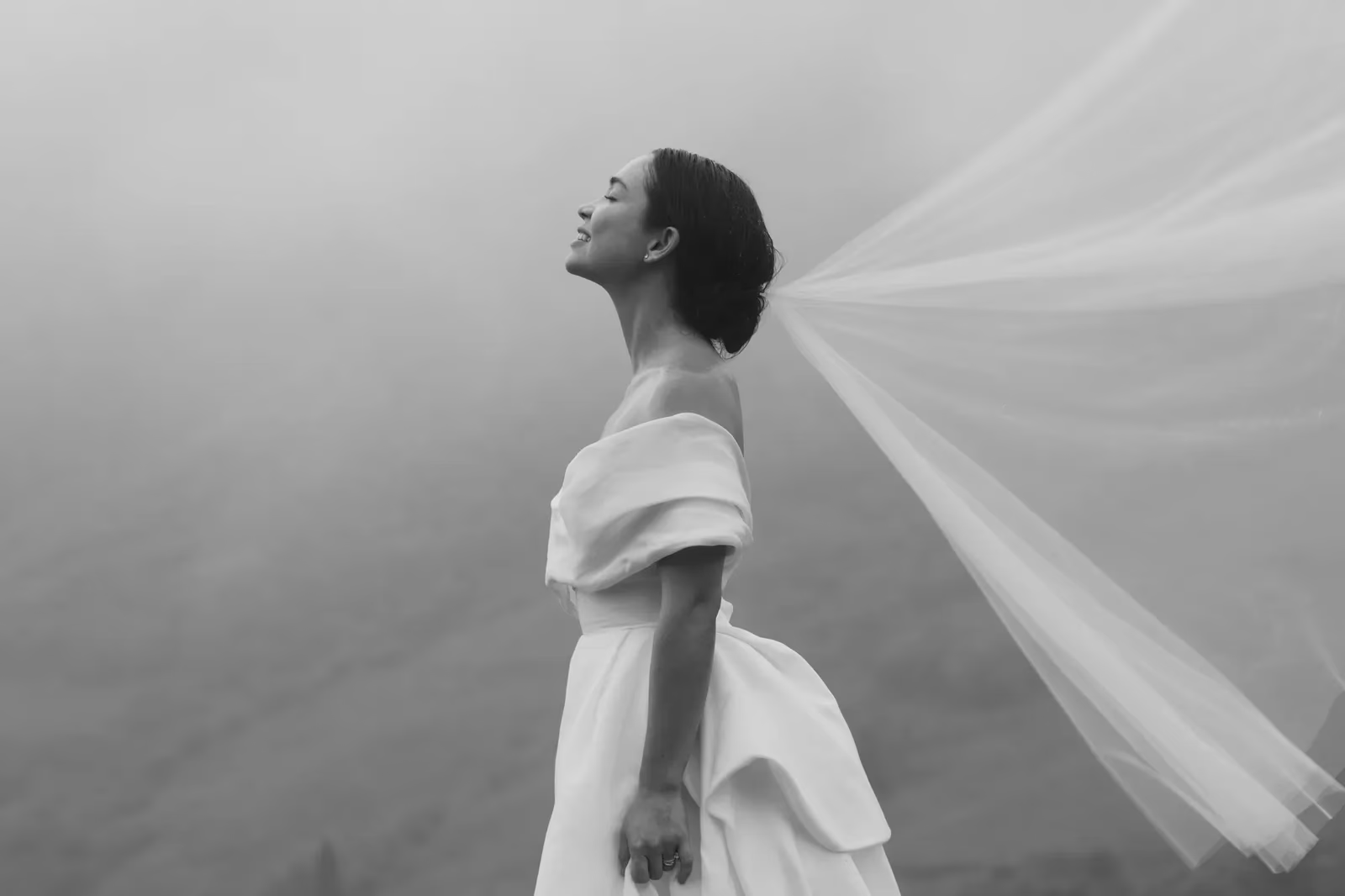
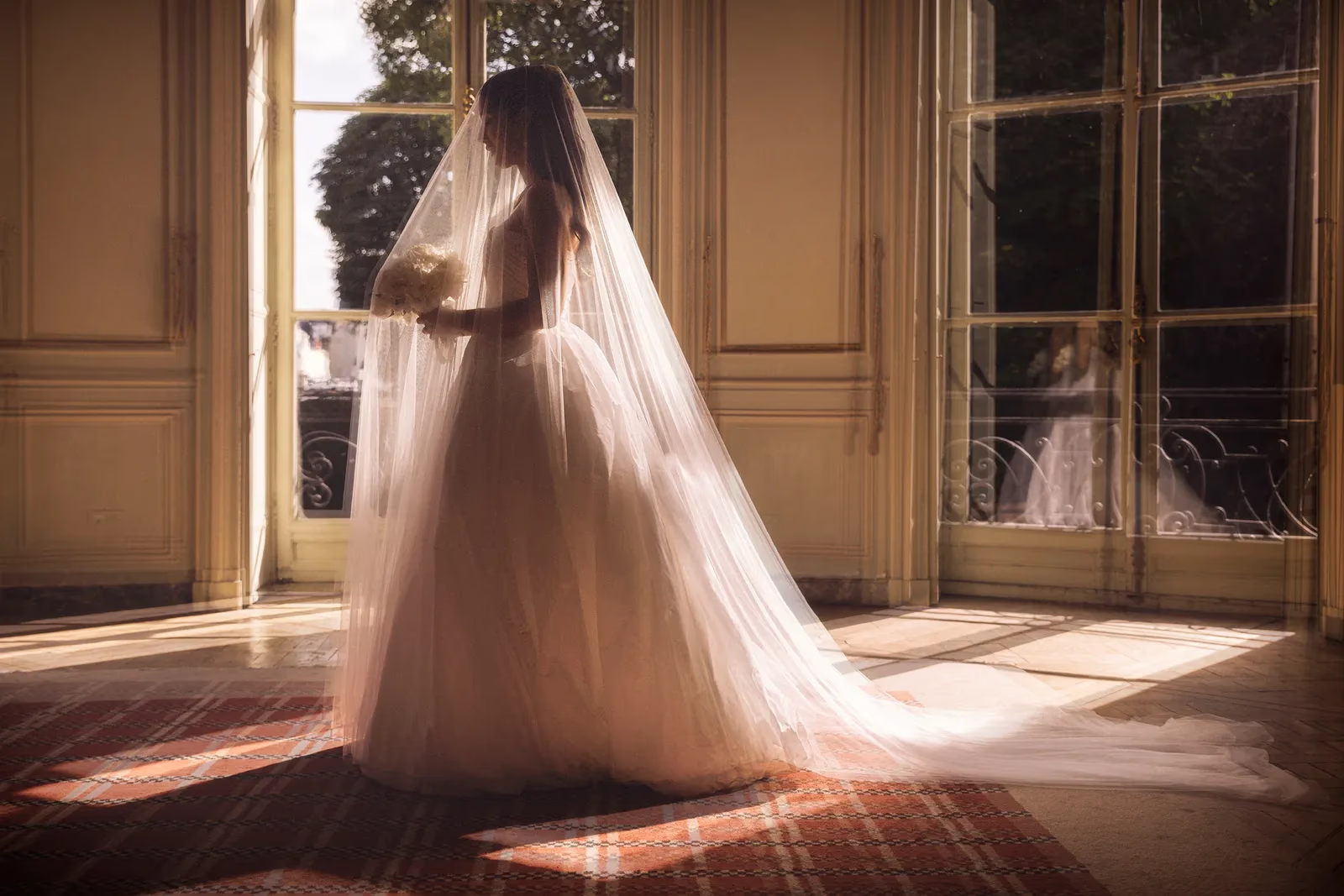
If you want your wedding photos to have a curated, magazine-spread-like feel, you should look to editorial wedding photographers. They may give more direction to a couple to best capture their day with beautiful light and angles. These shots could also have a distinct fashion focus. "An editorial photography style encompasses creatively compelling, visually driven, and narrative-rich images," says Rivera. "Creating meaningful and beautiful photographs requires time, trust, and preparation. Take a moment to reflect on what truly matters to both of you, and share these details with your photographer."
Editorial wedding photography is about crafting images that feel like they belong in the pages of a magazine. The photographer is more directive, positioning you in the best light, suggesting poses that flatter, and paying meticulous attention to every element in the frame. This style requires trust — you're giving the photographer creative license to shape the visual narrative of your day.
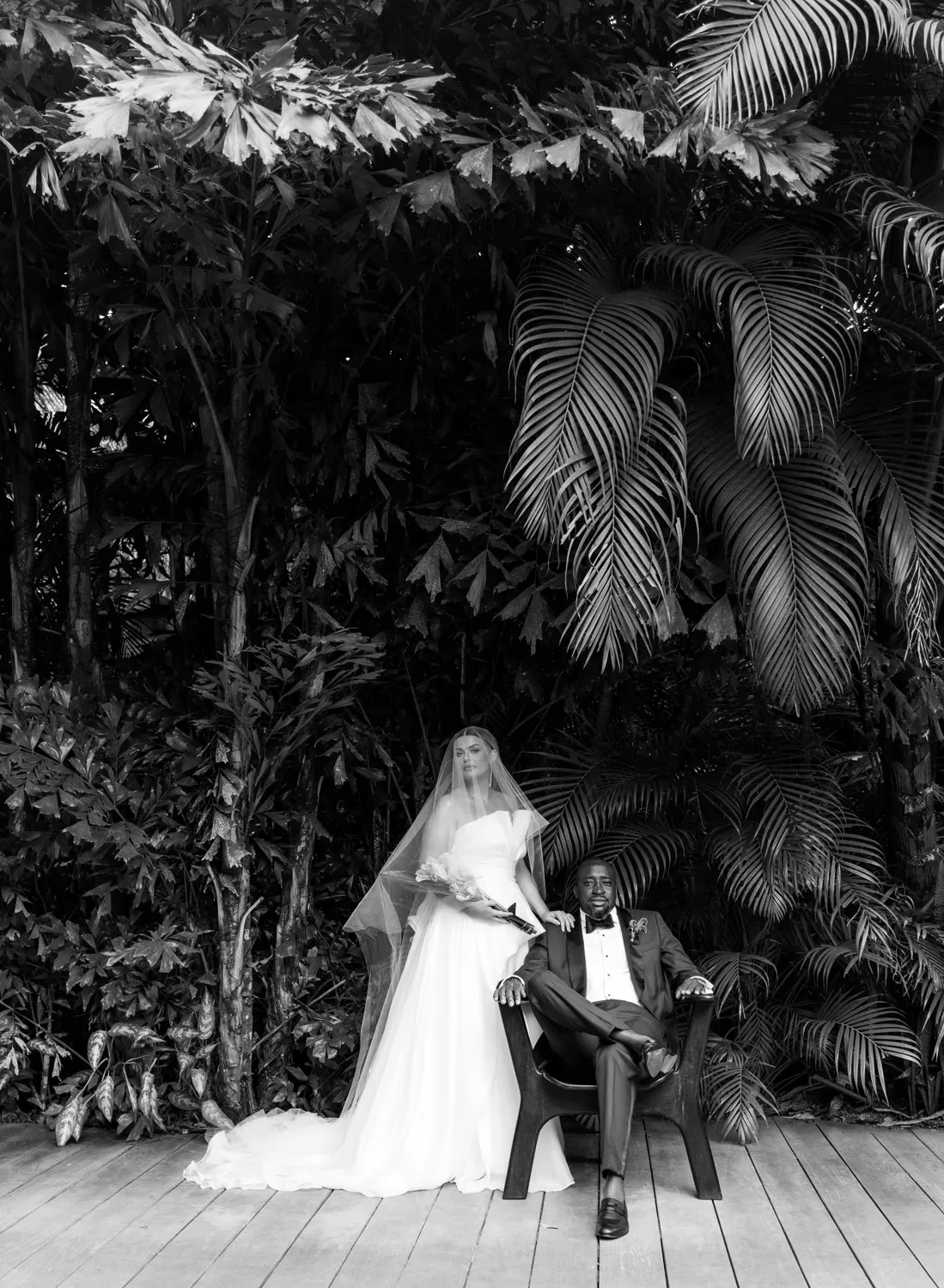
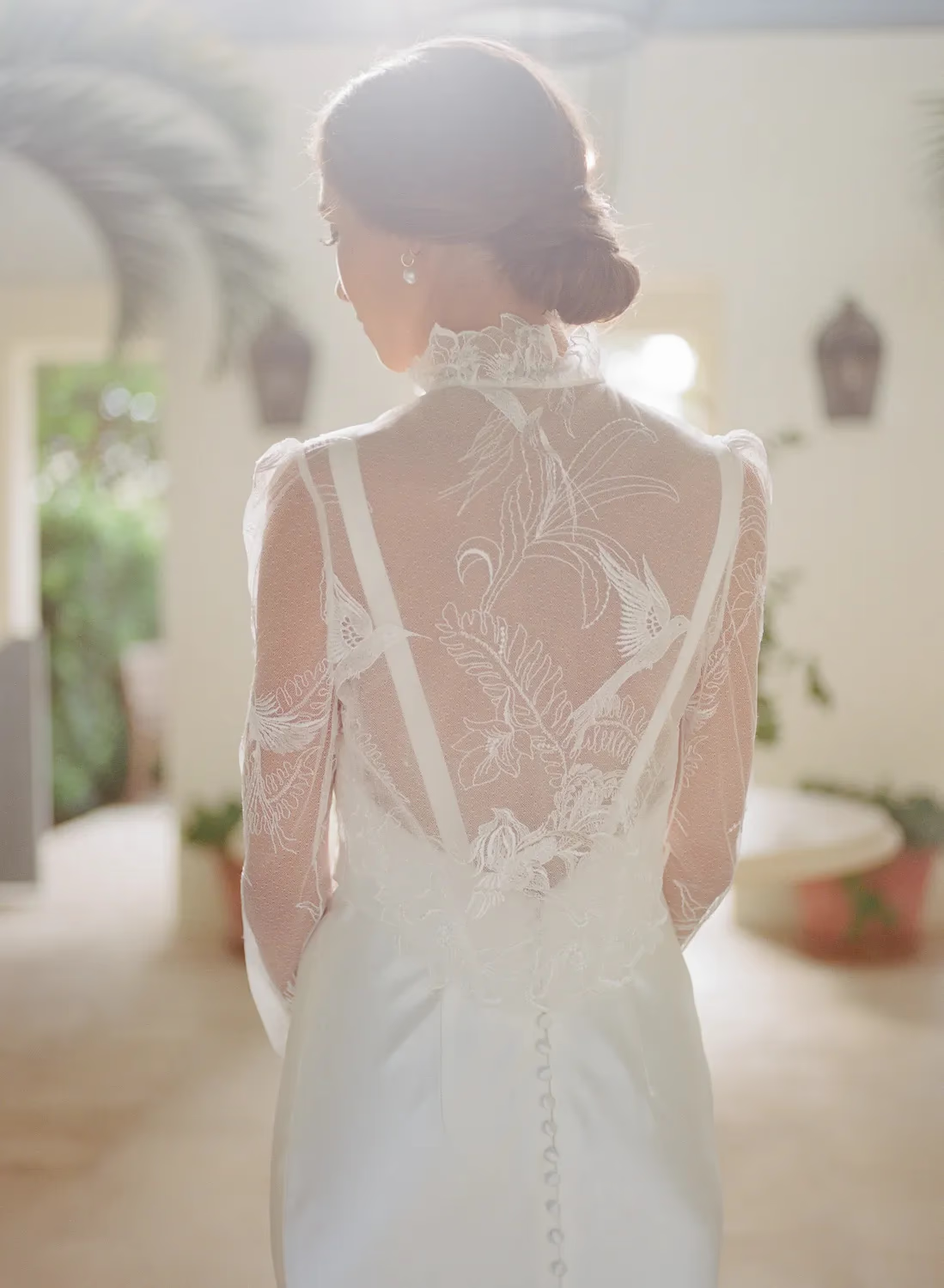
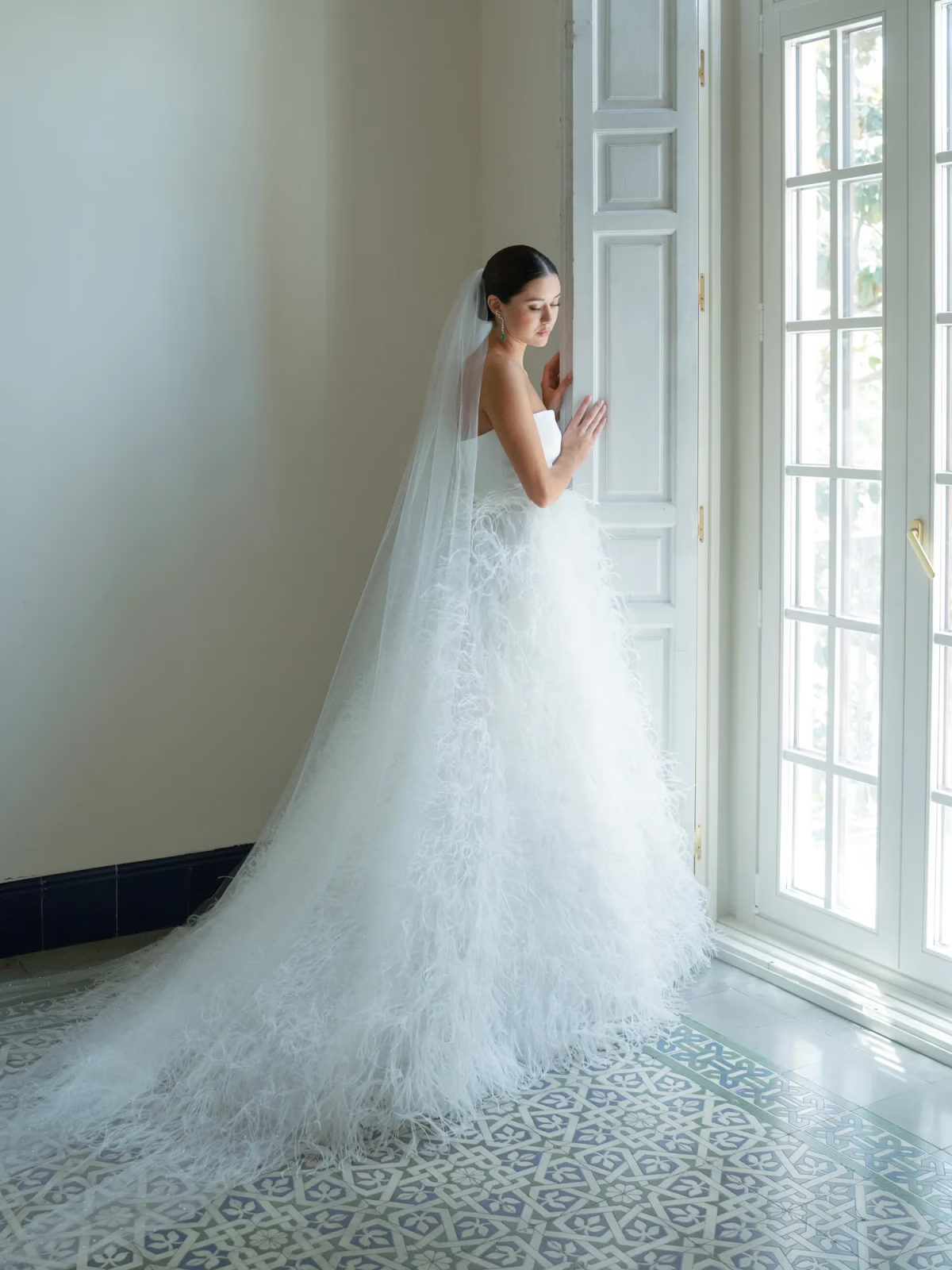
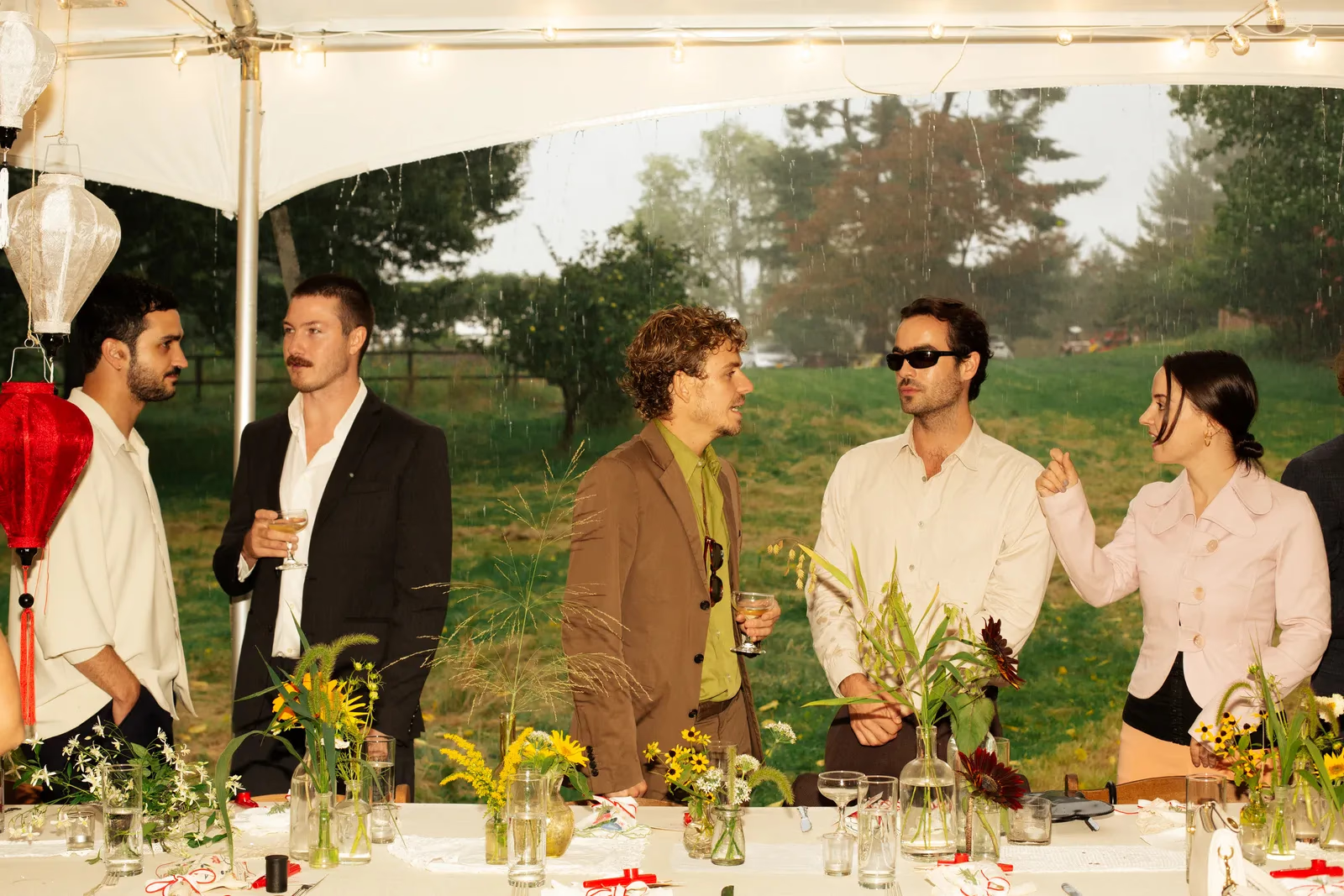
3. Photojournalism / Documentary Style
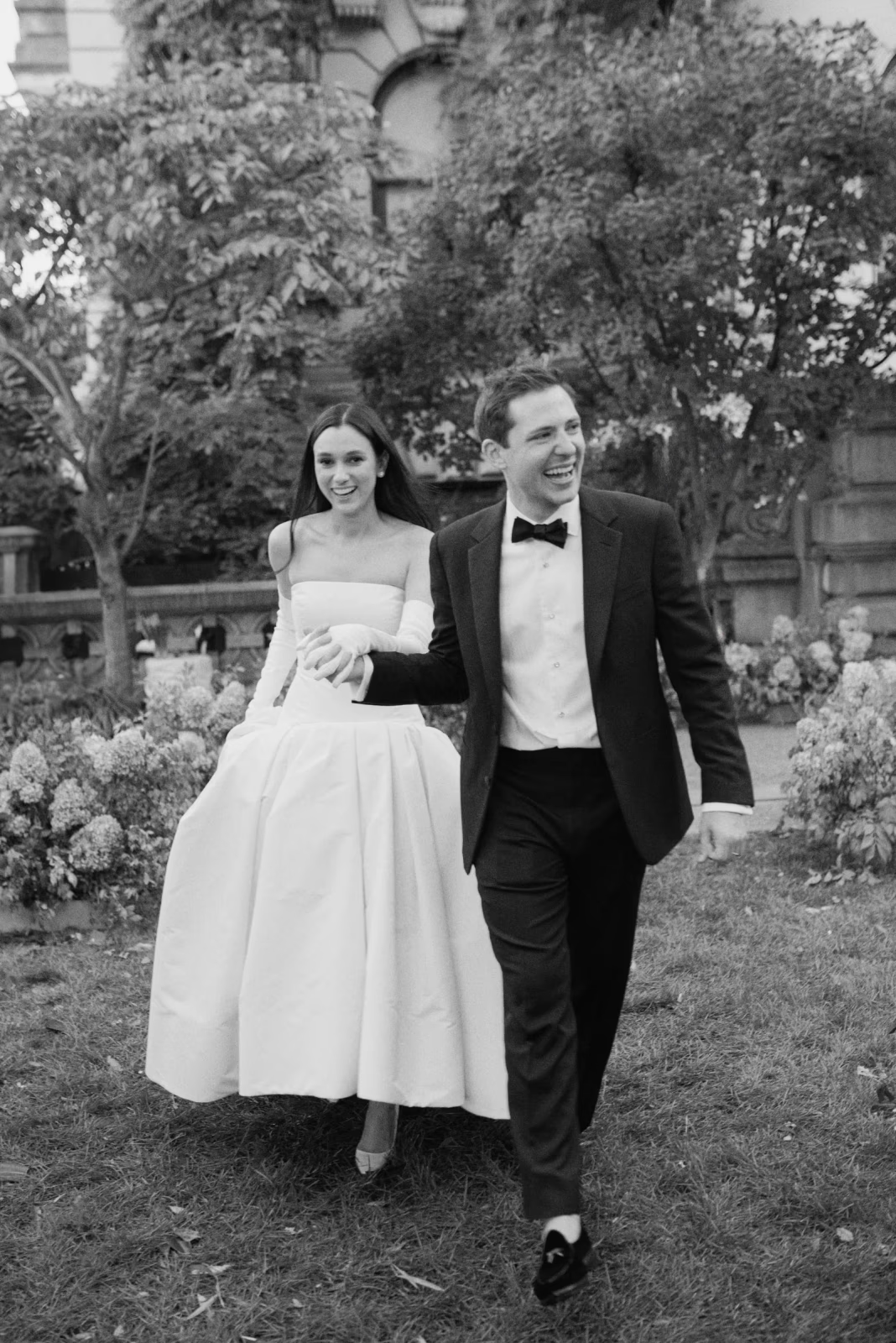
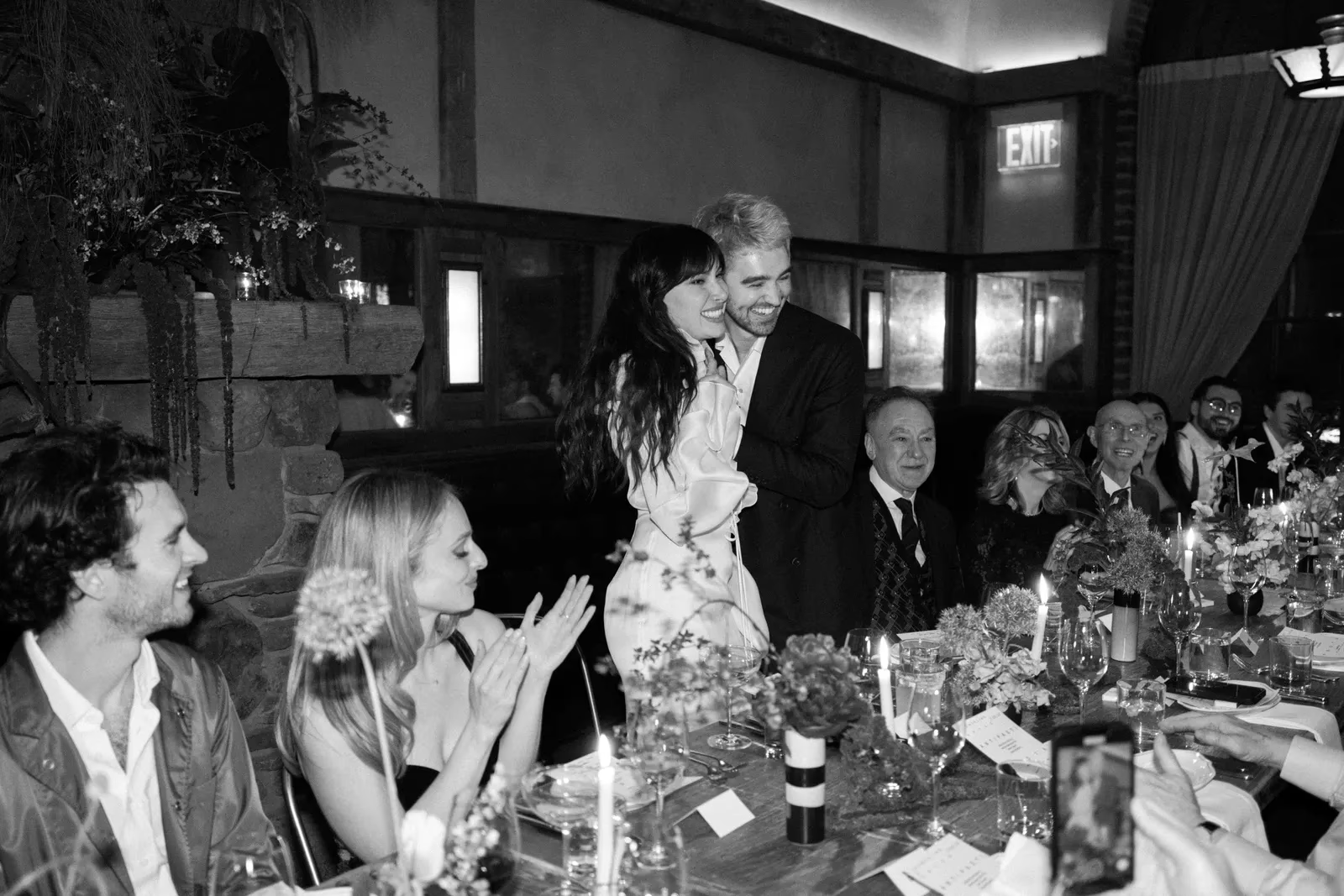
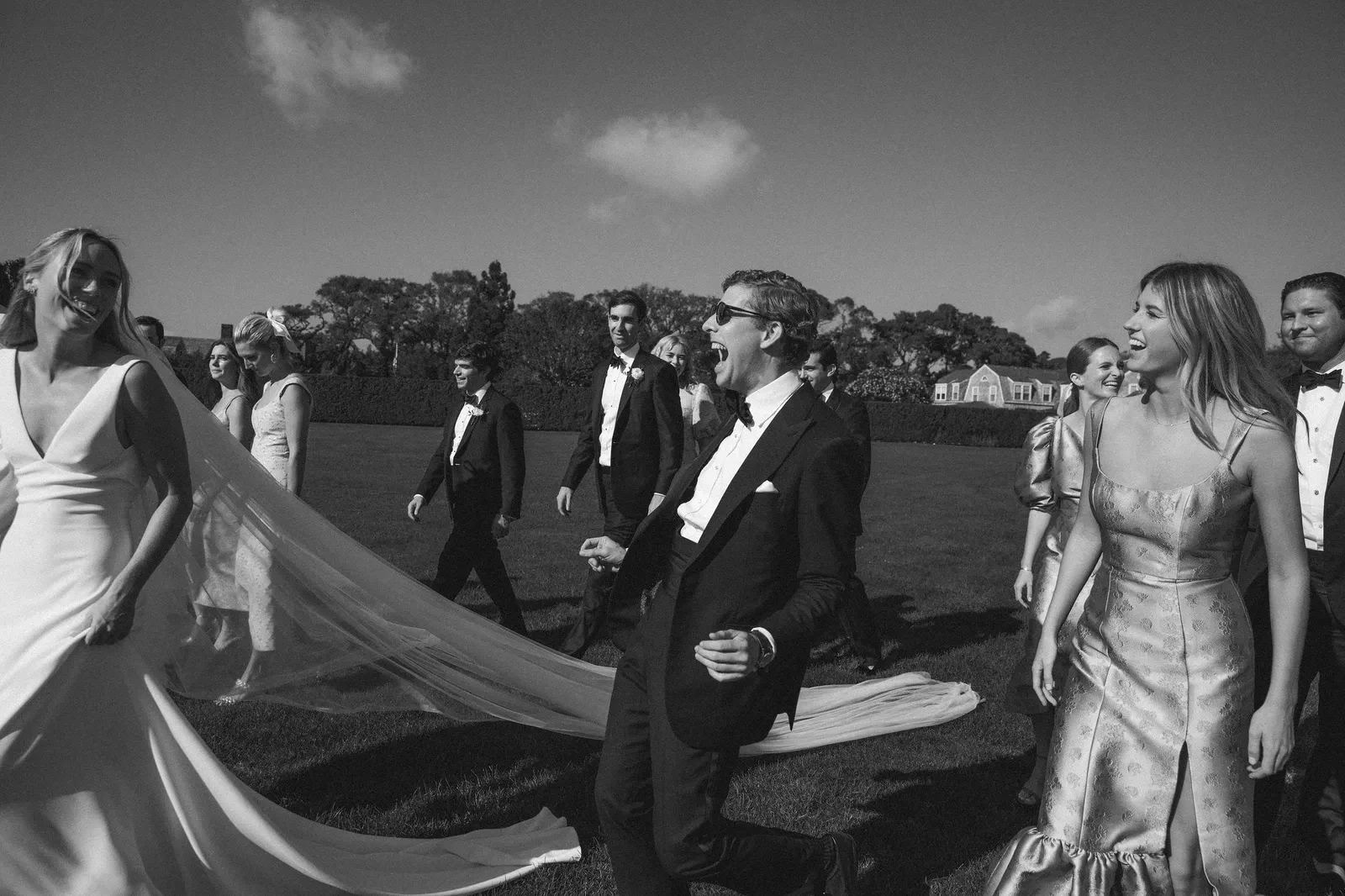
For those seeking a more organic feel to their wedding photos, look for photographers who have a documentary-style approach to their shooting methods. They will find beauty in those in-between moments, movement, and the raw emotion found throughout the celebration. "Every wedding day has a story. Photojournalism is an approach where the photographer captures the moment as it unfolds without interrupting, using images to narrate the feelings, moments, and nuances that collectively tell a bigger story," says photographer Twah Dougherty.
The photojournalistic approach produces images that feel alive and authentic — a tear during the vows, genuine laughter during speeches, a quiet moment between the couple when they think no one is watching. These photographers are observers first, blending into the background to document rather than direct.
Dougherty notes there's also a hybrid "editorial photojournalism" approach: "Strict photojournalism is where the photographer does not interject any direction. A hybrid approach allows the photographer to occasionally give light direction or influence the scenario to optimize the couple's best angles. This does not take away from moments when true photojournalism is needed to tell that authentic story."
4. Fine Art Photography
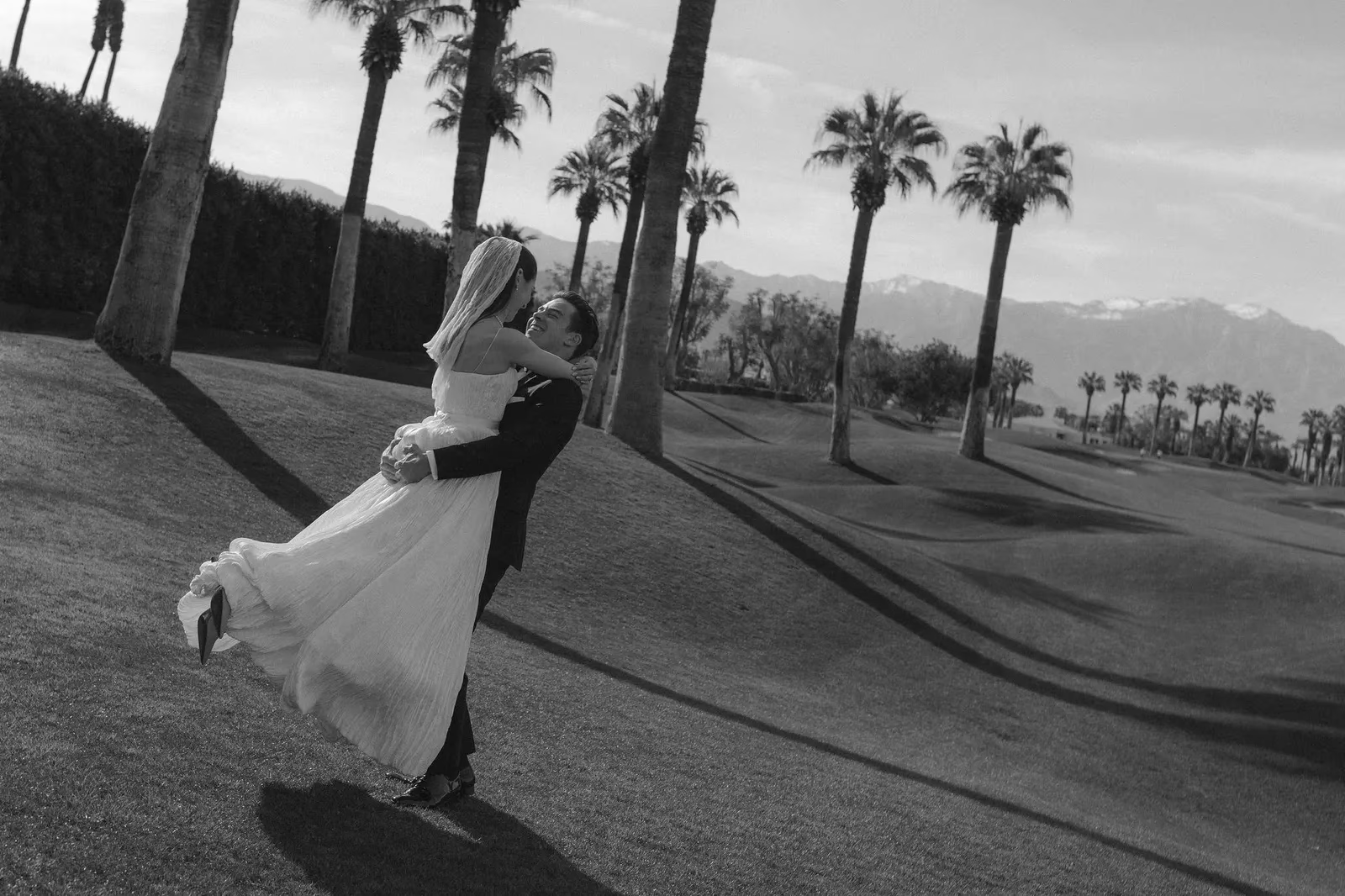
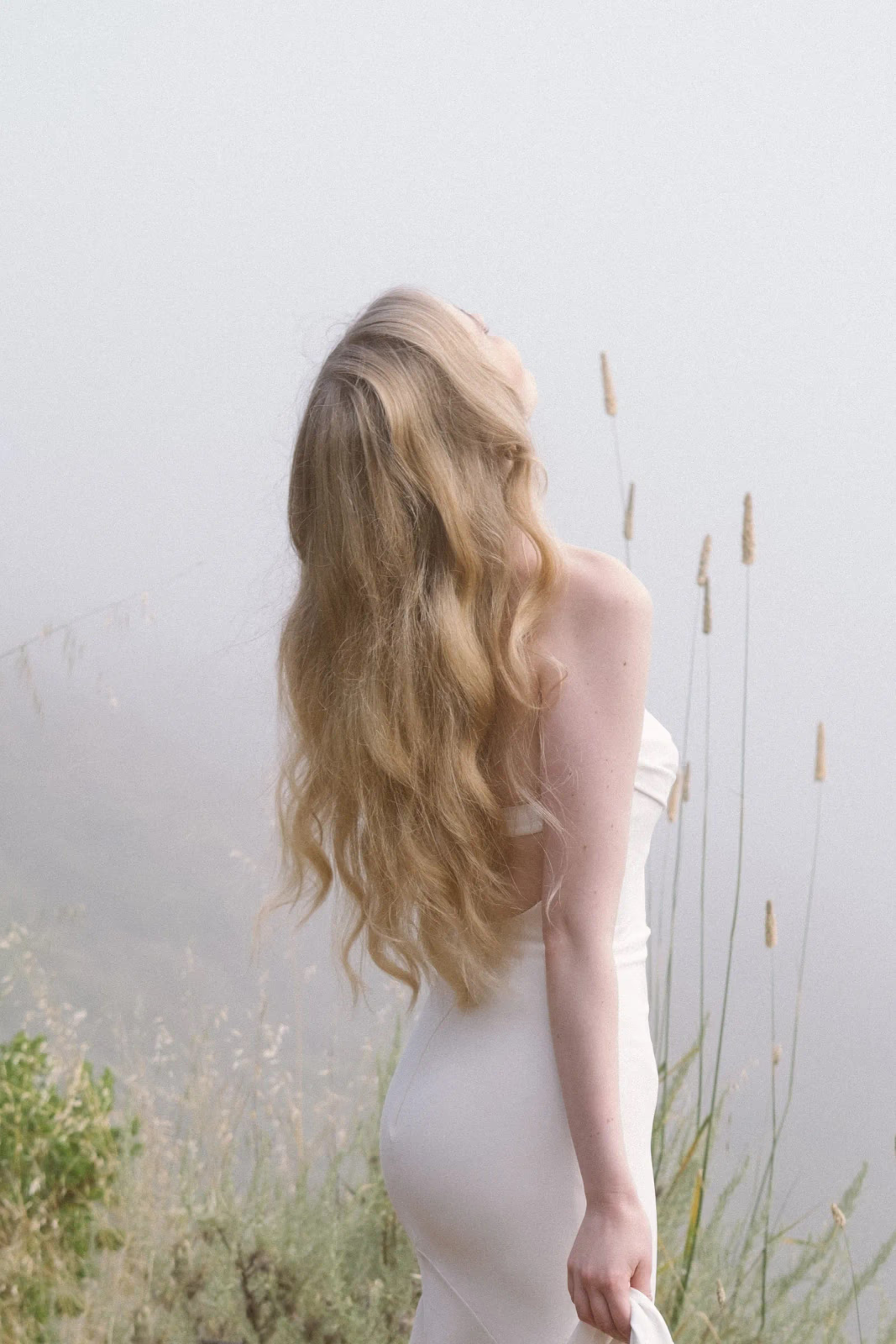
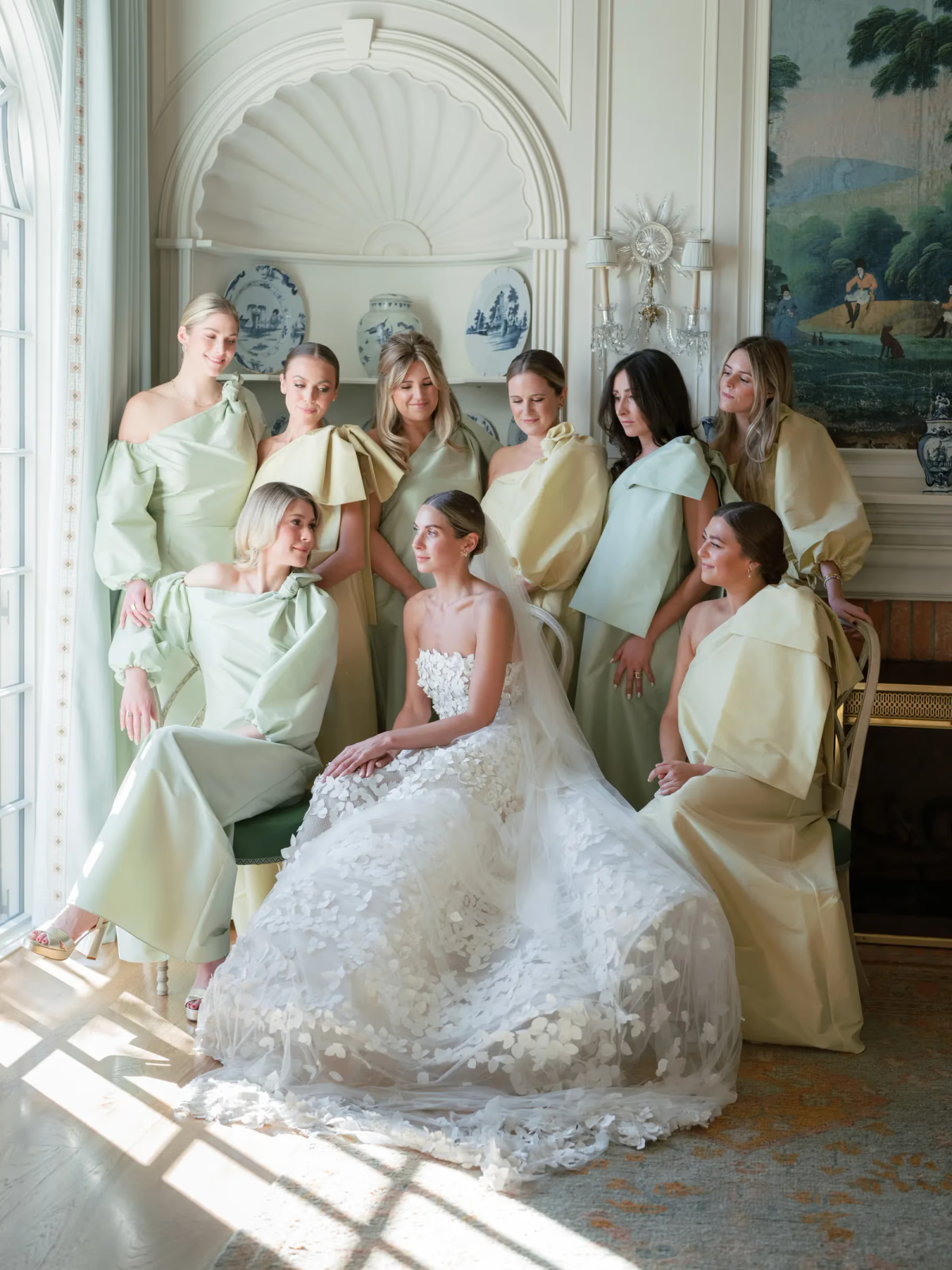
If you want to have your wedding feel like an ethereal piece of art, you should gravitate towards fine art photographers. This style can capture your florals, fashion, and overall event with a dreamy feel thanks to the photographer's editing style. "Fine art photography is often a must-have for couples getting married," explains Ashley. "It requires a keen eye for detail while creatively using lighting and angles to create beautiful, timeless imagery that transcends typical photography. Fine art photography is optimal for couples who value a creative, artistic touch to their wedding photos."
Fine art wedding photography is characterized by intentional composition, soft color palettes, and an almost painterly quality. These photographers might use film cameras, unique lenses, or specific post-processing techniques to achieve their signature look. Every frame is treated as a standalone piece of art.
5. Film Photography
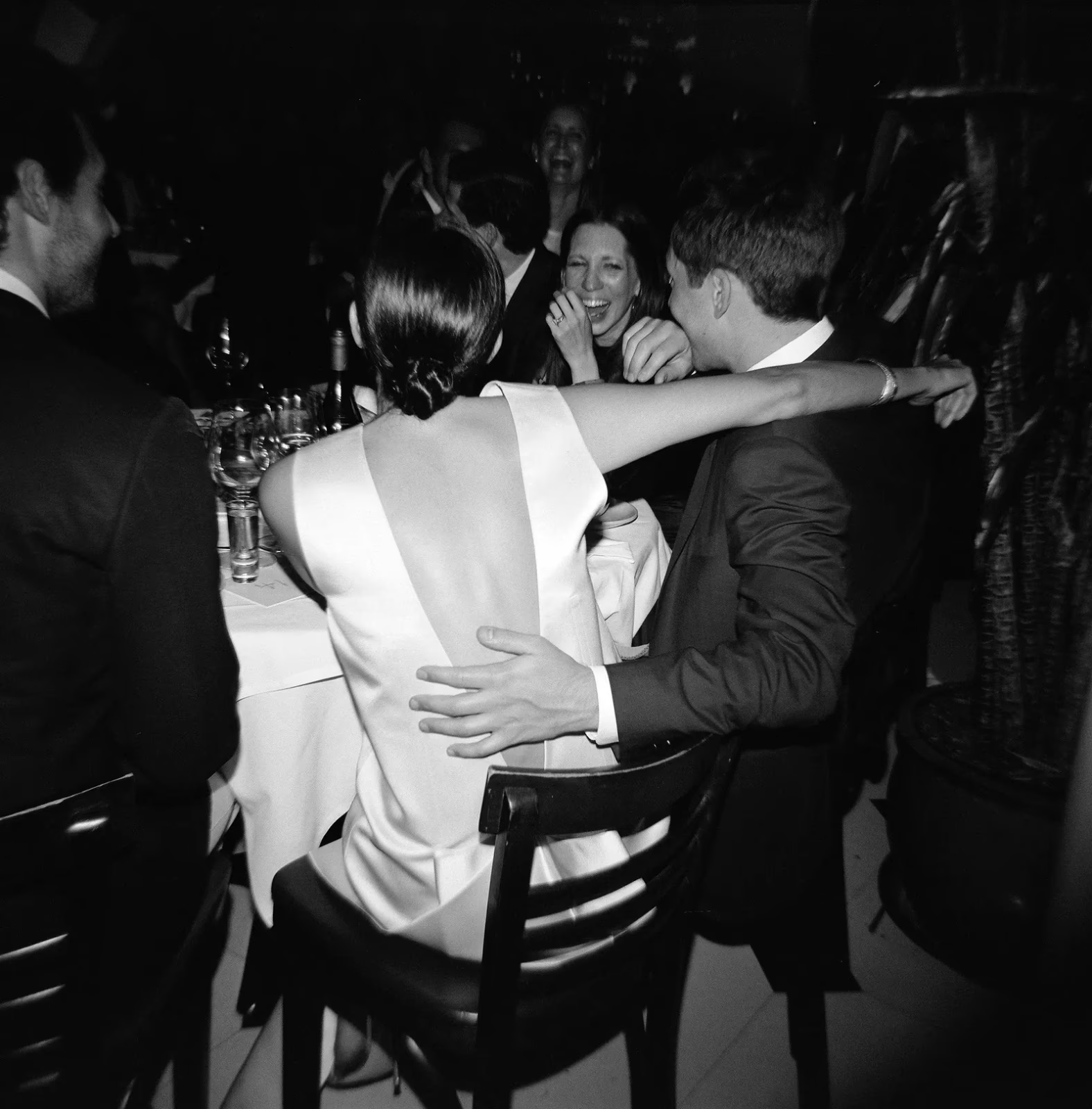
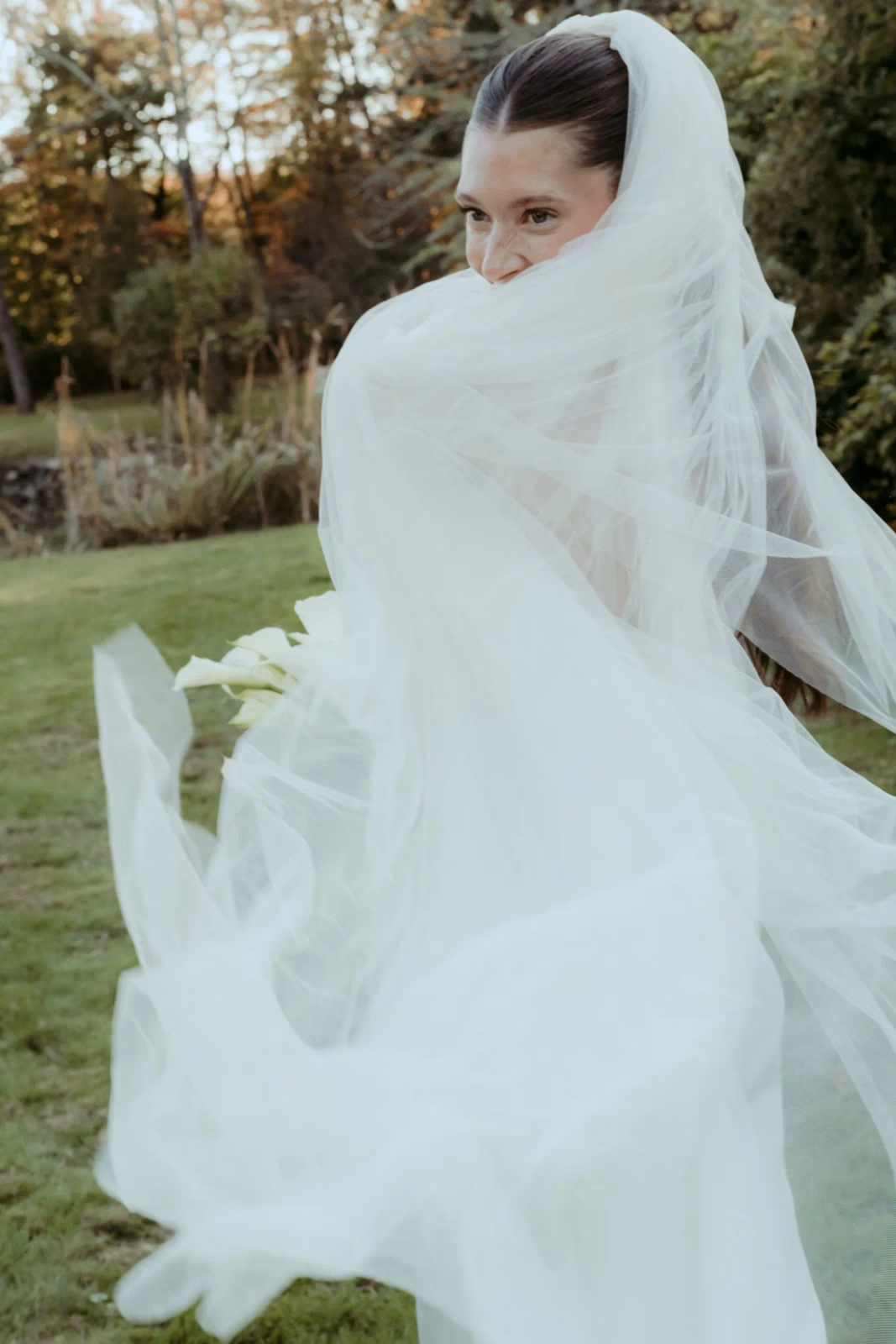
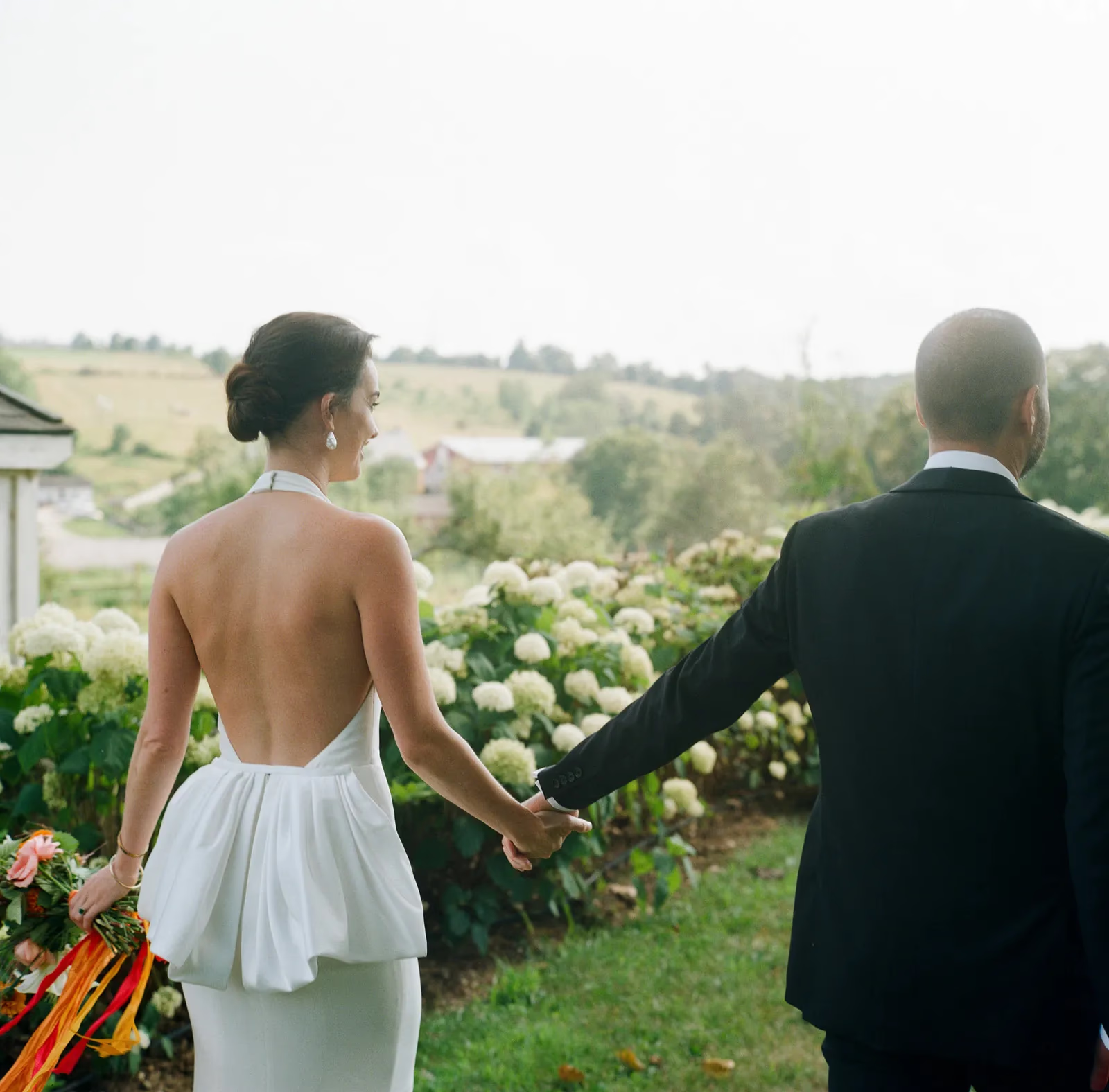
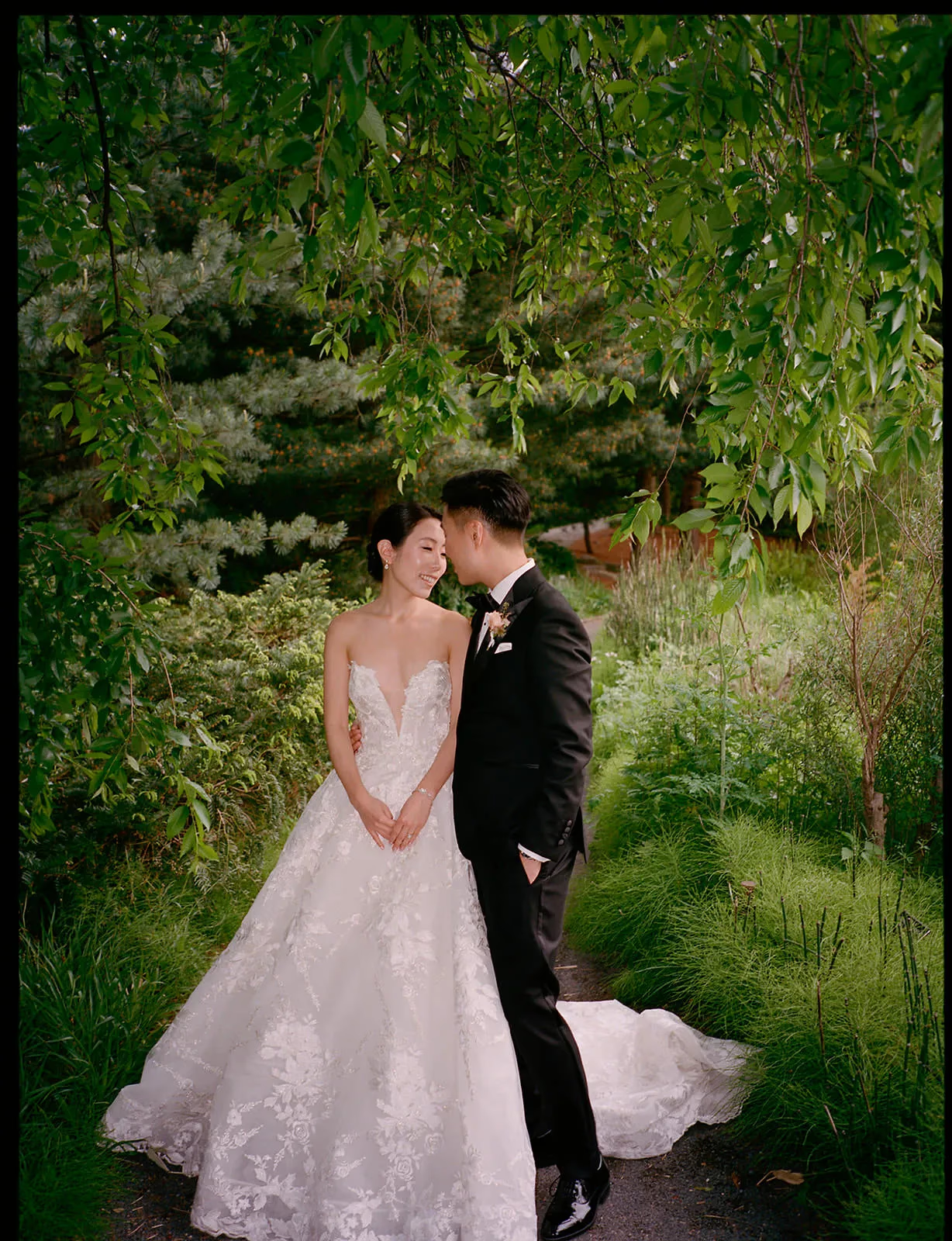
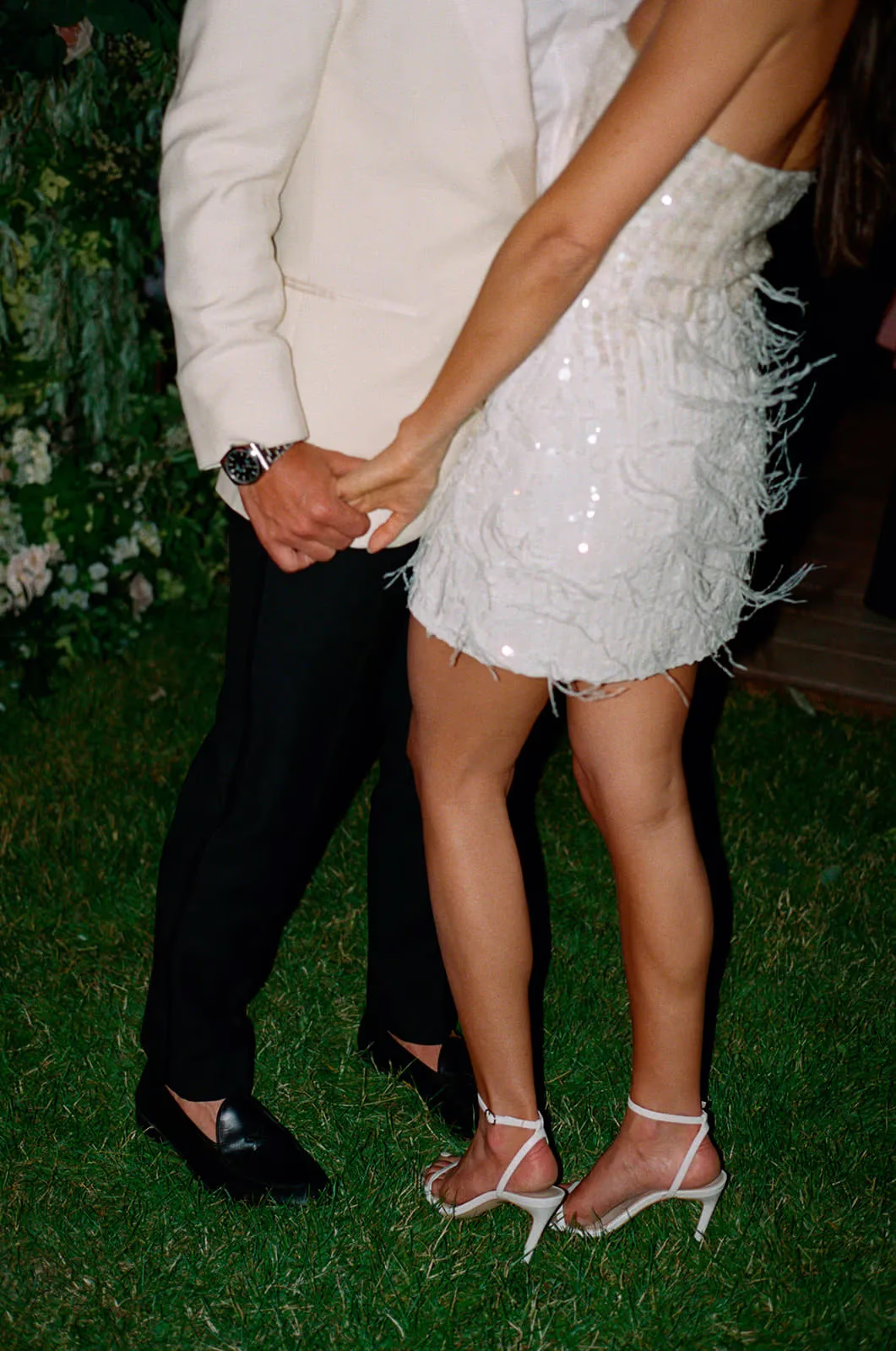
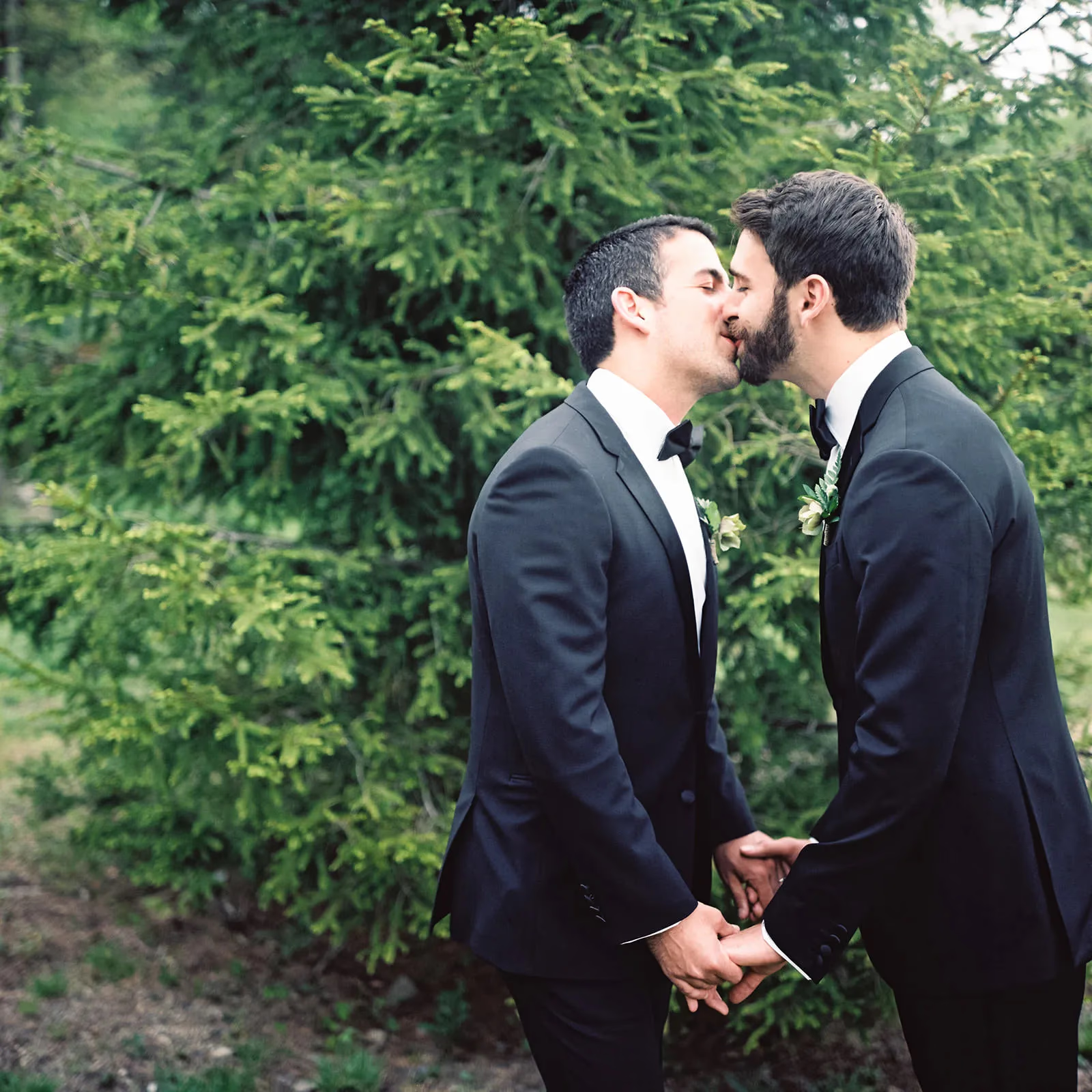
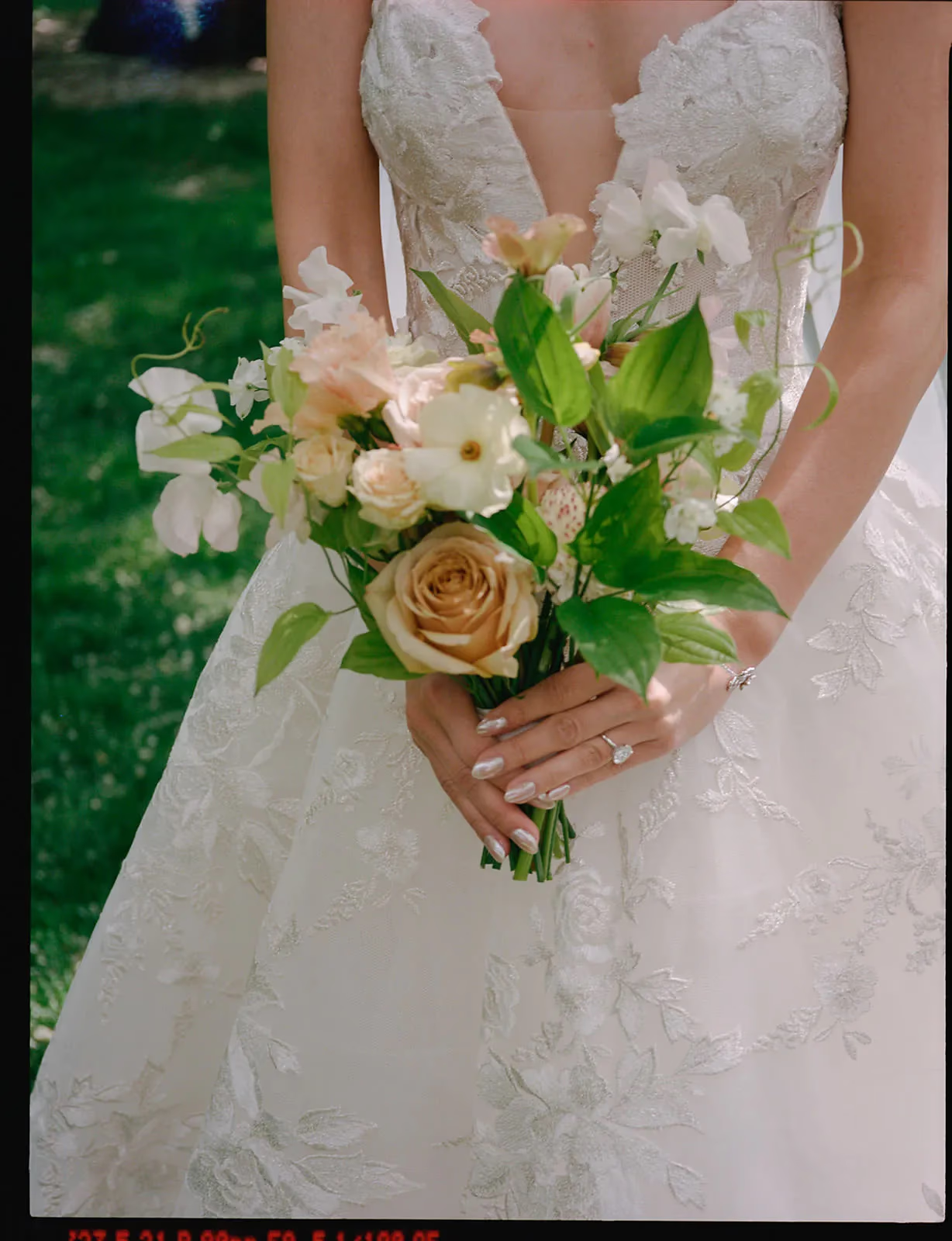
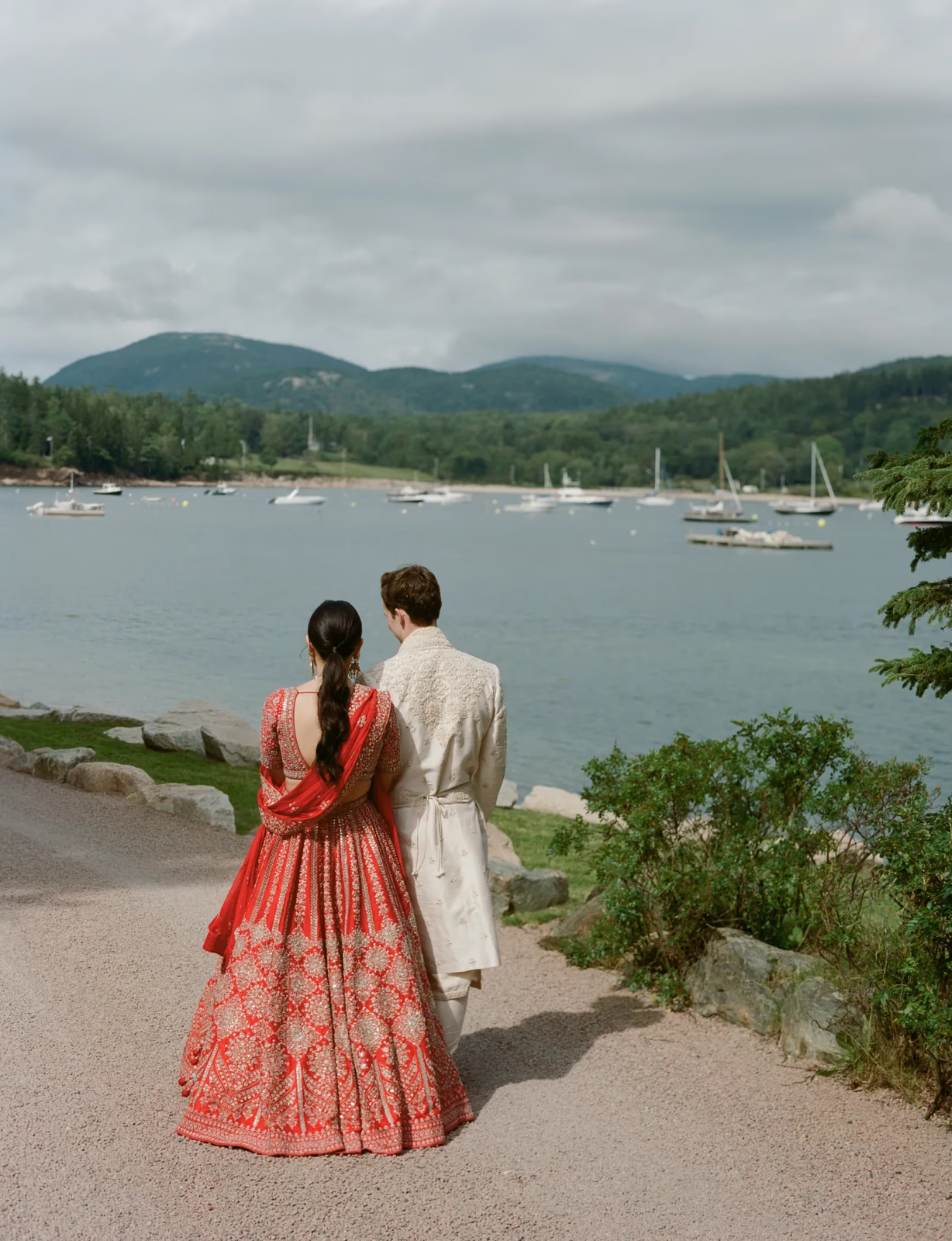
While the majority of wedding photographers shoot on digital, there's been a significant rise in film photography across the space. Some shoot exclusively on film, while others use it as a supplement to their digital shots for a diversity of imagery. "Film photography for weddings often evokes a timeless and romantic aesthetic," share Trent and Dara Bailey of Trent Bailey Studio. "It's characterized by its soft, warm, and dreamy quality, which can be quite different from the sharp and pristine look of digital photography. Film has a unique way of capturing textures and details, which can add depth and character to the images."
If you love the look of film photography, it's important to note that it doesn't always require actual film to achieve the aesthetic. "We get people all the time who insist they want a film photographer but end up falling in love with a photographer who actually shoots digitally and their work just looks like film," says Ashley. "When it comes to a visual medium like photography, it's better to let the images speak for themselves."
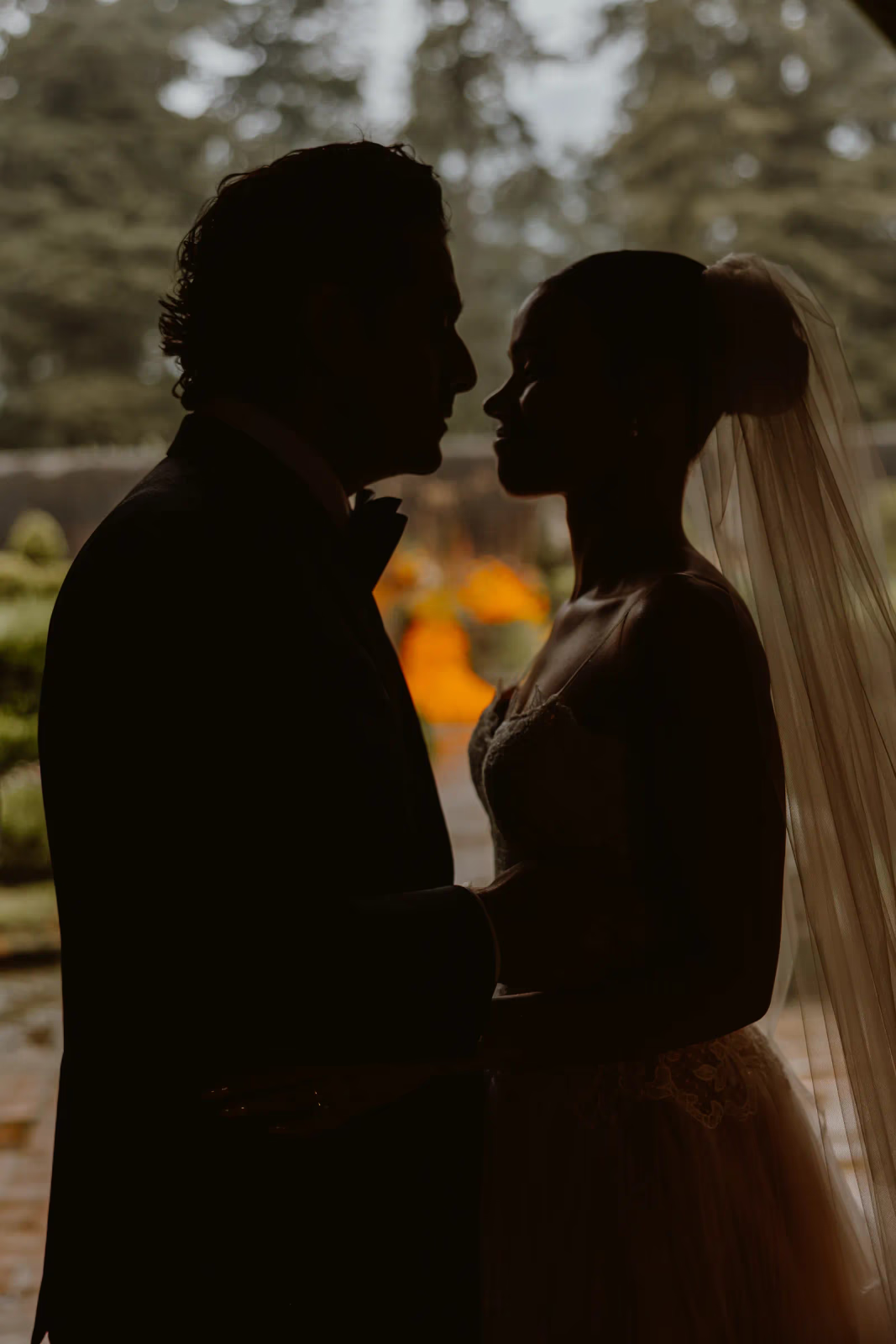
6. Dark and Moody Photography
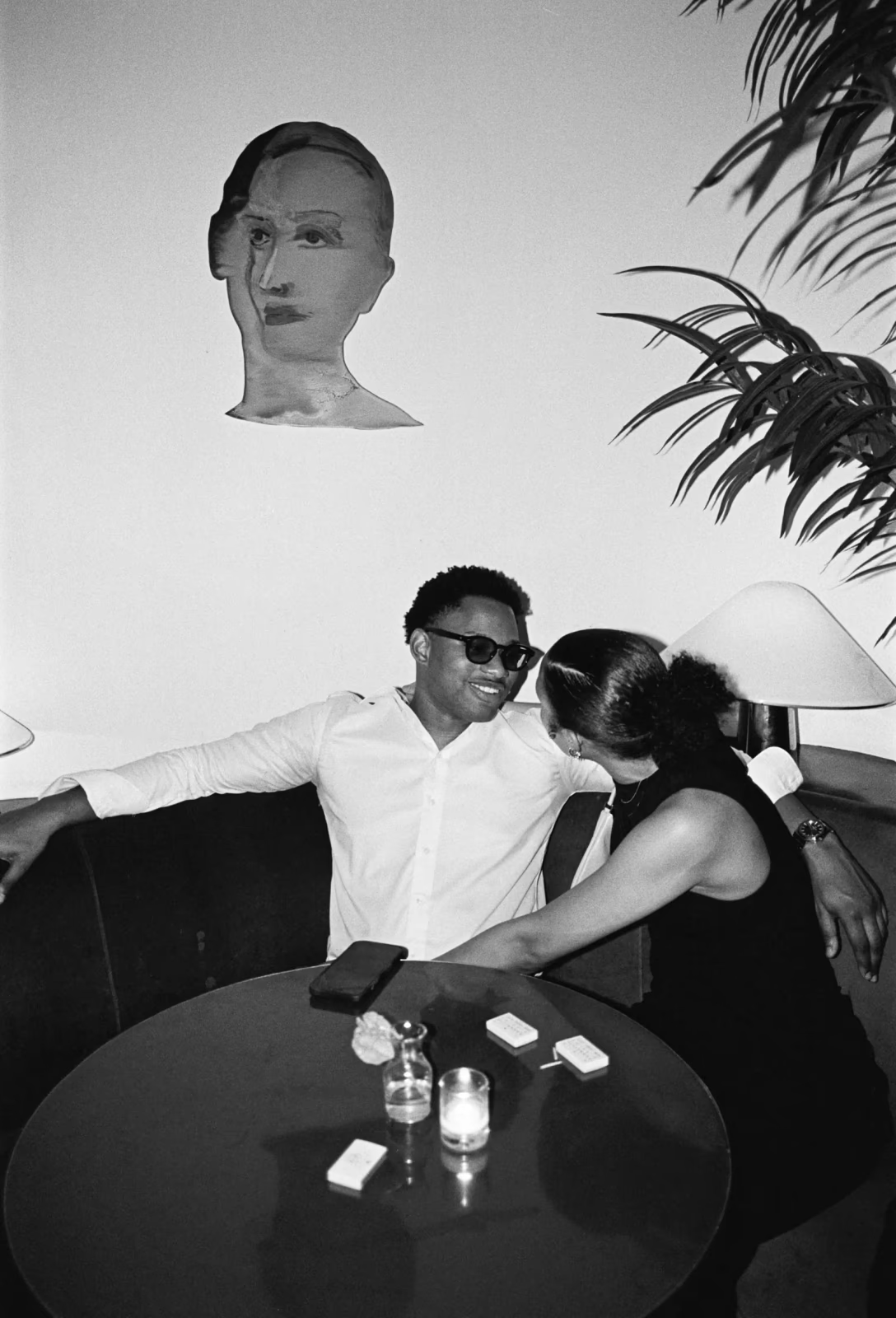
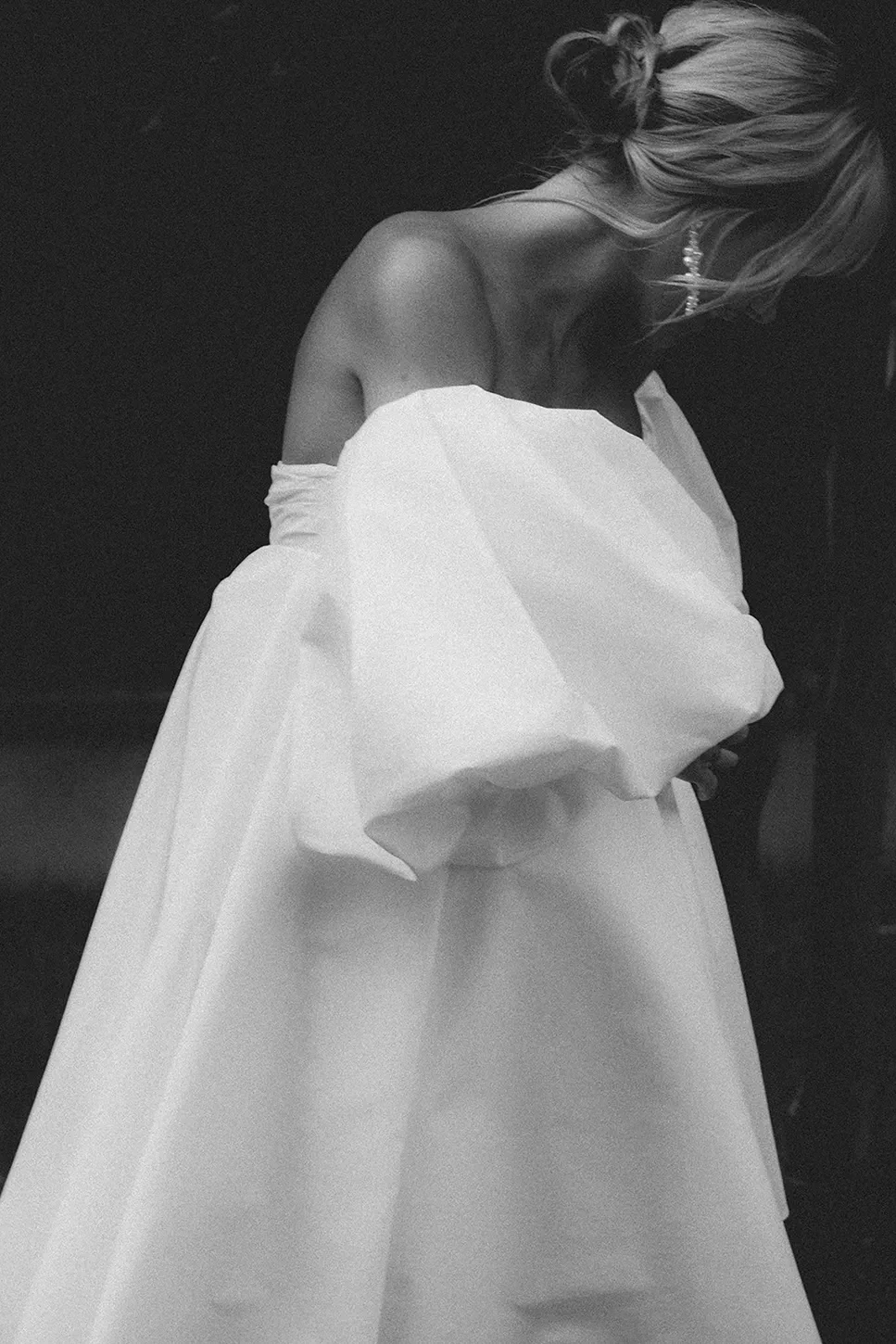
While some couples want their photos to be clean, light, and bright, others might opt for a more dark and moody photography style. When shooting in this aesthetic, a photographer may work more with shadows, darker editing filters, or vintage film styles to achieve a dramatic tone and ambiance. This style creates images with emotional weight — rich blacks, deep shadows, and a cinematic quality that feels both romantic and dramatic. It's particularly effective for evening weddings, candlelit receptions, or venues with dramatic architecture.
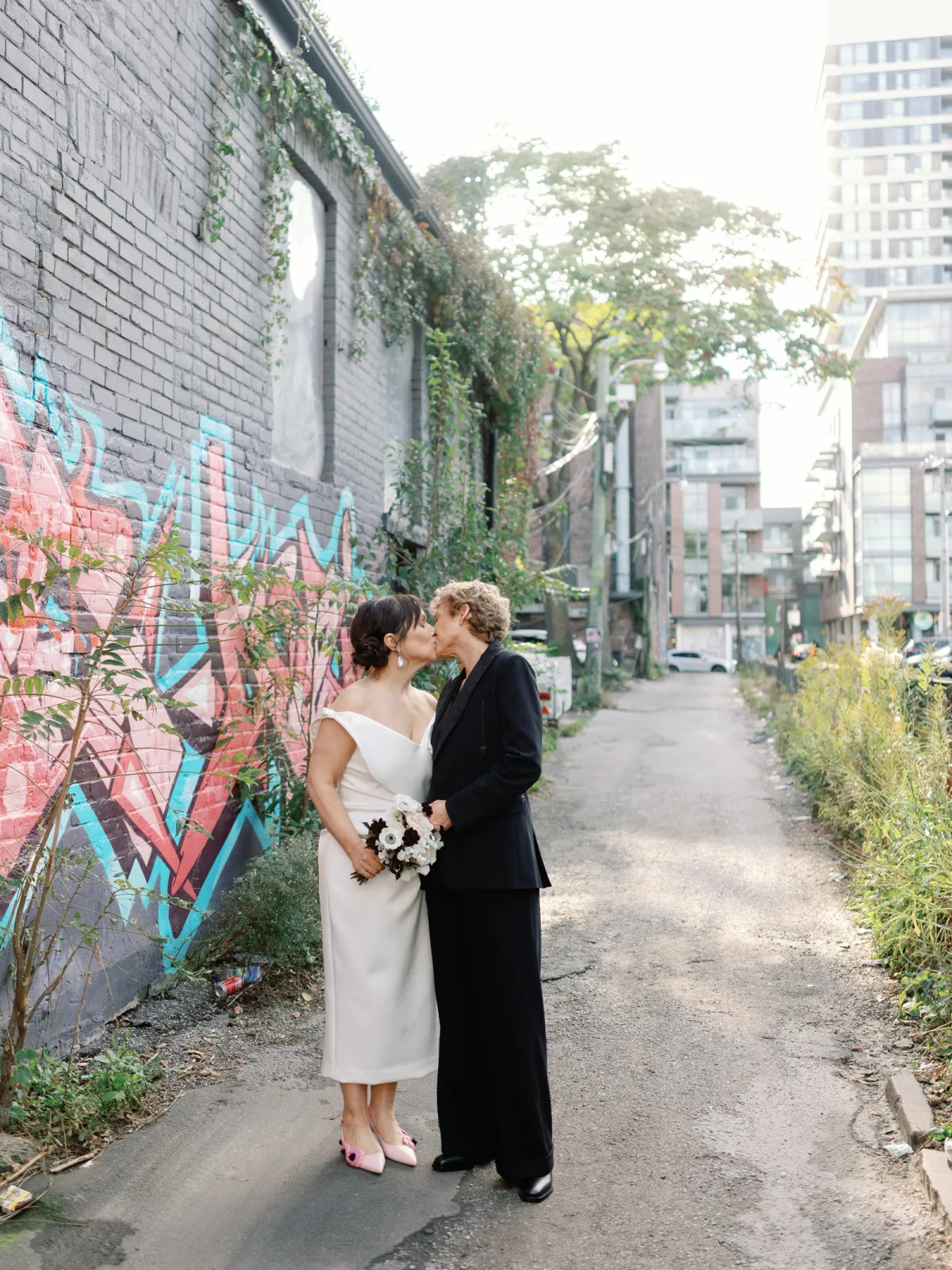
7. Lifestyle Photography
Love the look and feel of documentary-style photography but want your photographer to provide you with a bit more direction on how to pose? Then you might want to find a vendor who offers lifestyle photography. The photographer will lead the way when you and your wedding party take portraits, yet they will still try to capture more natural, genuine moments from the session. Lifestyle photography sits comfortably between traditional posed portraits and pure documentary — the photographer gives light guidance to create natural-looking interactions that still feel authentic and unforced.
How to Choose Your Wedding Photography Style
Before you start searching, spend time browsing portfolios and saving images that resonate with you. As Ashley wisely advises: "My typical advice to couples is to not actually put too many words into what they think they are looking for. What one person thinks is editorial, another person might think is classic or artistic." Instead of getting caught up in labels, focus on how the images make you feel. When you look at a photographer's portfolio and think, "This is how I want to remember my day," you've found your match.
Practical Tips
- Browse portfolios extensively before contacting photographers — let the images speak
- Don't get stuck on labels; what one calls "editorial" another calls "artistic"
- Look for chemistry with your photographer, not just talent
- Consider a hybrid approach: many photographers blend styles throughout the day
- Film-like aesthetics can be achieved with digital cameras and editing — don't limit your search
- Ask photographers what style they naturally gravitate toward rather than prescribing one
Conclusion
Your wedding photography style will shape how you remember one of the most important days of your life for decades to come. Whether you choose traditional, editorial, photojournalistic, fine art, film, dark and moody, or lifestyle — or some combination — the most important factor is finding a photographer whose vision aligns with yours. Take your time, trust your instincts, and choose someone whose work makes you feel something.
FAQ
What's the difference between editorial and photojournalistic wedding photography? Editorial photography is more directive — the photographer guides you into flattering positions and carefully composes each shot as if for a magazine spread. Photojournalism is observational — the photographer documents events as they naturally unfold without intervention. Many photographers offer a hybrid approach, blending both throughout the day.
Do I need a film photographer to get the film look? No. Many digital photographers have mastered editing techniques that replicate the soft, warm, dreamy qualities of film. Focus on the final look you want rather than the medium used to achieve it. Look at portfolios and let the images guide your decision.
How many photography styles can I combine? Most wedding photographers naturally blend styles throughout the day. You might want traditional posed portraits for family, editorial-style couple portraits, and photojournalistic coverage of the ceremony and reception. Discuss this blend with potential photographers during your consultation.
What style works best for outdoor weddings? Fine art and lifestyle photography both excel outdoors, particularly when the photographer knows how to work with natural light. Dark and moody styles can also be stunning for outdoor evening events with dramatic natural backdrops.
How far in advance should I book my wedding photographer? Popular photographers often book 12-18 months in advance. Start your search as soon as you have your date and venue confirmed. This gives you the widest selection and the best chance of securing your first-choice photographer.